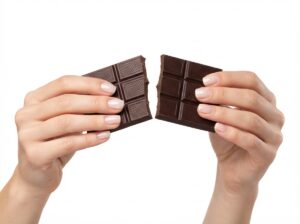

Chocolate is a universally beloved treat, enjoyed by people of all ages across the globe. However, pairing chocolate with the right foods or beverages can elevate its flavor profile, creating a symphony of taste that delights the palate. Whether you’re a seasoned chocolate connoisseur or a curious novice, understanding the art of chocolate pairings can enhance your appreciation and enjoyment of this delectable treat. In this guide, we will explore the principles behind successful chocolate pairings, and provide recommendations for pairing chocolate with various foods and drinks.
The Basics of Chocolate Pairing
The key to successful chocolate pairing lies in balance, contrast, and harmony. The goal is to enhance the flavors of both the chocolate and the paired item, creating a complementary experience. Here are some fundamental principles to consider when pairing chocolate:
Balance
Balance refers to the way flavors complement each other without one overpowering the other. When pairing chocolate, consider the intensity of both the chocolate and the pairing item. Dark chocolate, with its bold and bitter notes, pairs well with strong flavors like coffee or red wine. On the other hand, milk chocolate, which is sweeter and creamier, complements softer flavors such as fruits or nuts.
Contrast
Contrasting flavors can create an exciting taste experience. For instance, the saltiness of sea salt can enhance the sweetness of chocolate, while the acidity of citrus can cut through the richness of dark chocolate. Experimenting with contrasting flavors can lead to delightful surprises.
Harmony
Harmony in chocolate pairing involves finding flavors that naturally blend well together. For example, the nutty notes of hazelnut perfectly complement the creamy texture of milk chocolate, creating a harmonious balance that is both pleasing and comforting.
Pairing Chocolate with Beverages
Pairing chocolate with the right beverage can significantly enhance the tasting experience. Here are some classic and innovative pairings to consider:
Wine and Chocolate
Wine and chocolate are a classic pairing, but finding the right match requires understanding the characteristics of both. A rich, full-bodied red wine like Cabernet Sauvignon pairs well with dark chocolate, while a lighter wine like Pinot Noir complements milk chocolate. For white chocolate, a sweet dessert wine such as Moscato or Riesling can balance the sweetness.
Coffee and Chocolate
Coffee’s robust flavor pairs excellently with chocolate, creating a rich and indulgent experience. Dark chocolate pairs well with strong, bold coffee like espresso, while milk chocolate complements the creaminess of a cappuccino or latte. For a lighter option, pair white chocolate with a mild coffee blend.
Tea and Chocolate
Tea can also be a wonderful companion for chocolate. A bold black tea like Earl Grey pairs well with dark chocolate, while a green tea or jasmine tea complements the softer flavors of milk chocolate. Herbal teas, particularly those with fruity or floral notes, can bring out the delicate sweetness of white chocolate.
Pairing Chocolate with Food
Chocolate can be paired with a variety of foods to create unique and delicious combinations. Here are some popular pairings to try:
Fruits and Chocolate
Fruits are a natural pairing with chocolate, offering a fresh and juicy contrast to its richness. Berries like strawberries and raspberries pair beautifully with dark chocolate, while bananas and apples complement milk chocolate. For white chocolate, consider pairing with tropical fruits like mango or pineapple.
Cheese and Chocolate
Although it may seem unconventional, cheese and chocolate can create a surprisingly delightful pairing. The creamy texture of cheese complements the smoothness of chocolate, while the saltiness of cheese enhances its sweetness. Try pairing dark chocolate with blue cheese, milk chocolate with brie, or white chocolate with goat cheese.
Nuts and Chocolate
Nuts and chocolate are a classic pairing, offering a satisfying blend of textures and flavors. Almonds and hazelnuts pair well with milk chocolate, while pecans and walnuts complement dark chocolate. For a unique twist, try pairing pistachios with white chocolate.
Creative Chocolate Pairings
Beyond traditional pairings, there are many creative combinations to explore. Consider experimenting with these innovative pairings:
Spices and Chocolate
Spices can add a unique dimension to chocolate pairings. Cinnamon and chili powder can enhance the warmth of dark chocolate, while cardamom and ginger pair well with milk chocolate. For white chocolate, consider pairing with vanilla or nutmeg.
Savory Pairings
Chocolate can also be paired with savory foods for an unexpected yet delicious experience. Try pairing dark chocolate with smoked meats or bacon, milk chocolate with savory pastries, or white chocolate with roasted vegetables.
Conclusion
The world of chocolate pairings is vast and exciting, offering endless possibilities for exploration and enjoyment. By understanding the principles of balance, contrast, and harmony, you can create pairings that enhance and elevate the flavors of both chocolate and its companions. Whether you’re enjoying a classic pairing or venturing into new territory with creative combinations, the ultimate goal is to savor the experience and indulge in the rich, complex flavors that chocolate has to offer.
So go ahead, experiment with different pairings, and discover your own favorites. The art of chocolate pairing is a journey worth taking, and each new combination is an opportunity to delight your taste buds and deepen your appreciation for this beloved treat.
#ChatGPT assisted in the creation of this article.