Mint and chocolate, a classic combination that has delighted taste buds for generations, brings together the refreshing coolness of mint with the rich, indulgent flavors of chocolate. This delectable pairing has inspired countless confections, each with its own unique take on the blend. In this article, we will delve into the world of mint chocolate, exploring its history, the different varieties available, and how these exquisite treats are made.
The History of Mint Chocolate
The union of mint and chocolate can be traced back to the European continent, where both ingredients were treasured for their distinct properties. Mint, known for its cooling and soothing qualities, has been used in culinary and medicinal applications for centuries. Chocolate, once a luxury item reserved for the elite, gained popularity in Europe in the 17th century. It wasn’t long before confectioners began experimenting with these two ingredients, discovering a synergy that would captivate palates worldwide.
The first documented instance of mint chocolate can be credited to the English company Rowntree’s, which introduced the after-dinner mint in the 19th century. These small, disk-shaped chocolates were infused with mint flavoring, offering a refreshing end to a meal. From there, the concept of mint chocolate spread across Europe and eventually to North America, where it became a staple in the confectionery industry.
Varieties of Mint Chocolate
Mint chocolate comes in a multitude of forms, each offering a unique taste experience. Let’s explore some of the most popular varieties:
Mint Chocolate Bars
Mint chocolate bars are perhaps the most straightforward form of this delightful combination. Typically, these bars consist of a smooth chocolate base infused with mint flavoring. The intensity of the mint can vary, with some bars offering a subtle hint while others deliver a bold, refreshing kick. Brands such as Lindt, Ghirardelli, and Green & Black’s have all crafted their own versions of mint chocolate bars, each with its own distinct flavor profile.
Mint Chocolate Truffles
Truffles are synonymous with luxury, and mint chocolate truffles are no exception. These decadent treats usually feature a rich ganache center, infused with mint, and coated in a layer of smooth chocolate. The ganache can be made from milk, dark, or white chocolate, allowing for a variety of flavor combinations. Some truffles may even incorporate additional ingredients, such as crunchy mint pieces or a dusting of cocoa powder, to enhance the sensory experience.
Mint Chocolate Cookies
Mint chocolate cookies combine the comforting texture of a cookie with the invigorating taste of mint chocolate. Classic examples include thin mint cookies, which feature a crisp, mint-flavored cookie coated in a layer of chocolate. These cookies are often associated with the Girl Scouts of the USA, who have been selling them as a fundraiser since 1951. Today, many bakeries and home bakers have put their own spin on mint chocolate cookies, incorporating ingredients like peppermint extract, mint chips, and Andes mints.
Mint Chocolate Ice Cream
Mint chocolate ice cream is a beloved treat that offers a refreshing escape on a hot day. This frozen dessert typically features a mint-flavored ice cream base with chocolate chips or chunks mixed in. The interplay of creamy, cooling mint and rich chocolate creates a harmonious balance that is both satisfying and invigorating. Brands like Häagen-Dazs, Ben & Jerry’s, and Baskin-Robbins have all crafted their own versions of this classic flavor, with variations that include additional mix-ins such as fudge swirls and cookie pieces.
Mint Chocolate Drinks
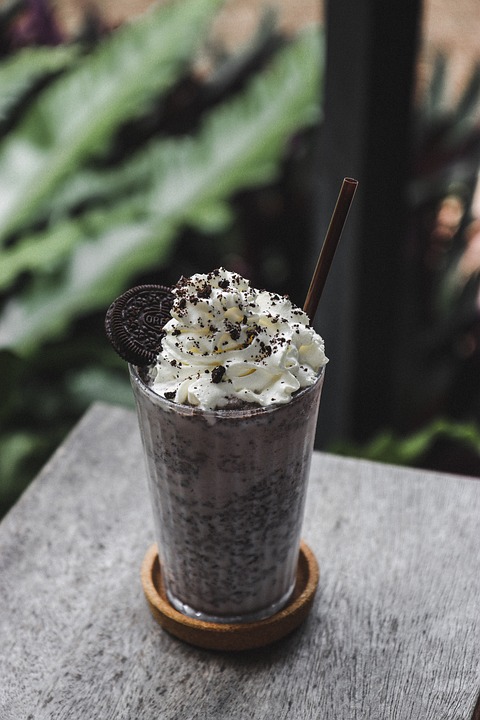
For those who prefer to savor their mint chocolate experience in liquid form, there are numerous options available. Mint hot chocolate, for instance, combines the comforting warmth of hot cocoa with the invigorating taste of mint. This drink can be made by simply adding a splash of peppermint extract to a traditional hot chocolate recipe or by melting mint chocolate directly into the milk. Additionally, mint chocolate liqueurs, such as crème de menthe, offer a more indulgent option for those seeking a boozy treat.
The Making of Mint Chocolate
The process of making mint chocolate varies depending on the specific product, but there are some common steps involved in crafting these confections. Let’s take a closer look at how mint chocolate delights are made:
Infusing Chocolate with Mint
The key to creating mint chocolate lies in infusing the chocolate with mint flavor. This can be achieved in several ways, including:
– **Using Mint Extracts:** Mint extracts, such as peppermint or spearmint extract, are a popular choice for flavoring chocolate. These concentrated liquids are typically added to melted chocolate or chocolate ganache, allowing the mint flavor to permeate the mixture.
– **Incorporating Mint Oil:** Mint oil, derived from the leaves of the mint plant, is another option for flavoring chocolate. Like extracts, mint oil is added to melted chocolate or ganache, providing a potent mint flavor that complements the richness of the chocolate.
– **Adding Mint Pieces:** Some confections incorporate small mint pieces, such as crushed peppermint candies or mint chips, into the chocolate. This approach not only adds flavor but also introduces a pleasing textural element to the finished product.
Temperatures and Textures
Achieving the perfect texture is crucial in mint chocolate production. For products like bars and truffles, tempering the chocolate is an essential step. Tempering involves carefully heating and cooling the chocolate to specific temperatures, resulting in a smooth, glossy finish and a satisfying snap when broken. This process also ensures that the chocolate has a stable crystalline structure, preventing it from becoming grainy or melting too easily.
Innovations and Trends
The world of mint chocolate is constantly evolving, with confectioners and chocolatiers experimenting with new flavors, textures, and techniques. Some recent trends and innovations in mint chocolate include:
– **Organic and Fair Trade Varieties:** As consumers become increasingly conscious of the ethical and environmental implications of their purchases, there is a growing demand for organic and fair trade mint chocolate. These products are made with sustainably sourced ingredients, ensuring that both the environment and the farmers who produce the raw materials are treated with respect.
– **Artisanal and Craft Mint Chocolate:** The rise of artisanal and craft chocolate has led to a renewed focus on quality and craftsmanship in mint chocolate production. These small-batch confections often feature unique flavor combinations and innovative techniques, resulting in a more personalized and distinctive taste experience.
– **Health-Conscious Options:** As health and wellness trends continue to gain traction, there is an increasing demand for healthier mint chocolate options. This includes products made with alternative sweeteners, reduced sugar content, and dairy-free or vegan ingredients, catering to a wider range of dietary preferences.
Conclusion
Mint chocolate delights offer a tantalizing combination of flavors and textures that have captivated chocolate lovers for generations. From classic bars and truffles to innovative new creations, the world of mint chocolate is rich with variety and possibility. Whether you prefer the comforting familiarity of a mint chocolate cookie or the luxurious indulgence of a mint chocolate truffle, there is a mint chocolate treat to suit every palate. As the industry continues to evolve, one thing remains certain: the exquisite pairing of mint and chocolate will continue to delight and inspire for years to come.
#ChatGPT assisted in the creation of this article.