Exploring Exquisite Chocolate Bonbon Varieties
Chocolate bonbons are the epitome of confectionery elegance, offering a delightful fusion of flavor, texture, and artistry. These bite-sized treasures encapsulate the rich history and diverse techniques of chocolate-making, showcasing the creativity and skill of chocolatiers around the world. In this article, we will delve into the exquisite world of chocolate bonbon varieties, exploring their history, production methods, and the unique ingredients that make each variety a culinary masterpiece.
The Art of Bonbon Making
Bonbons have a long-standing tradition in the world of chocolate, with origins tracing back to the French term “bon,” meaning “good.” Initially, these confections were simple sugar-coated nuts or fruits, but over time, they evolved into more complex creations. Today, bonbons are synonymous with luxury and are crafted using a range of techniques and ingredients to achieve the perfect balance of taste and texture.
The Enrobing Technique
One of the most popular methods for making bonbons is enrobing. This technique involves coating a flavored center, such as ganache, caramel, or praline, with a thin layer of chocolate. The enrobing process ensures that the filling is completely sealed within the chocolate shell, preserving its freshness and flavor. Chocolatiers often use this method to create a smooth and glossy finish on the bonbons, adding a touch of elegance to their appearance.
Molding and Casting
Another common technique is molding and casting, where liquid chocolate is poured into molds, creating a shell into which the filling is added. Once the filling has set, another layer of chocolate is poured over the top to seal the bonbon. This process allows for intricate designs and shapes, enabling chocolatiers to experiment with creativity and presentation.
Flavorful Centers
The heart of a bonbon is its filling, and the possibilities are virtually endless. Chocolatiers around the world use a variety of ingredients and techniques to create unique and tantalizing centers for their bonbons.
Ganache
A classic choice for bonbon centers, ganache is a rich and creamy mixture of chocolate and cream. It can be infused with a wide range of flavors, from traditional vanilla and coffee to exotic spices and herbs. The smooth texture of ganache makes it a favorite among chocolate connoisseurs, providing a melt-in-the-mouth experience that is both indulgent and satisfying.
Praline
Praline is another popular filling, made from caramelized sugar and nuts, typically almonds or hazelnuts. The result is a crunchy, nutty center that contrasts beautifully with the smooth chocolate shell. Praline bonbons often highlight the natural flavors of the nuts, with some chocolatiers adding a hint of salt to enhance the taste.
Fruit Purees
For those seeking a burst of freshness, fruit purees offer a delightful alternative. Made from concentrated fruit juices or pulps, these fillings can range from tangy and tart to sweet and luscious. Common fruits used in bonbon fillings include raspberry, passion fruit, and mango, each providing a vibrant pop of color and flavor.
Caramel
Caramel-filled bonbons are a timeless classic, offering a balance of sweetness and richness that is hard to resist. Whether it’s a smooth, buttery caramel or a salted version with a hint of umami, these fillings add a layer of complexity to the chocolate’s natural sweetness.
Regional Varieties
Around the world, different cultures have put their own spin on chocolate bonbons, incorporating local ingredients and culinary traditions.
Belgian Pralines
Belgium is renowned for its pralines, which are a type of bonbon with a variety of fillings, including ganache, marzipan, and nougatine. Belgian chocolatiers are celebrated for their meticulous craftsmanship and innovative flavor combinations, often using high-quality ingredients that highlight the rich history of Belgian chocolate-making.
French Bonbons
In France, bonbons are often filled with rich ganache or fruit purees, reflecting the country’s love for both chocolate and patisserie. French chocolatiers are known for their attention to detail and elegant presentation, with many bonbons featuring intricate designs or delicate dustings of cocoa powder.
Italian Gianduiotti
Italy’s contribution to the world of chocolate bonbons is the gianduiotti, a triangular-shaped confection made from a blend of chocolate and hazelnut paste. Originating in Turin, gianduiotti are renowned for their smooth texture and harmonious flavor, capturing the essence of Italian confectionery artistry.
Swiss Truffles
Swiss chocolatiers are famous for their truffles, which are a type of bonbon filled with ganache and often rolled in cocoa powder or chopped nuts. The Swiss approach to chocolate-making emphasizes quality and precision, resulting in bonbons that are both luxurious and delectable.
Innovative Bonbon Trends
The world of chocolate bonbons is constantly evolving, with chocolatiers pushing the boundaries of flavor and design to create unique and memorable confections.
Exotic Ingredients
One trend in the bonbon world is the incorporation of exotic ingredients, such as matcha, yuzu, or even chili peppers. These unexpected flavors add an element of surprise and intrigue, appealing to adventurous palates seeking something out of the ordinary.
Artisanal Techniques
Artisanal chocolatiers are increasingly focusing on handmade techniques and locally sourced ingredients, resulting in bonbons that are not only delicious but also environmentally conscious. This trend reflects a broader movement towards sustainability and ethical production in the chocolate industry.
Visual Artistry
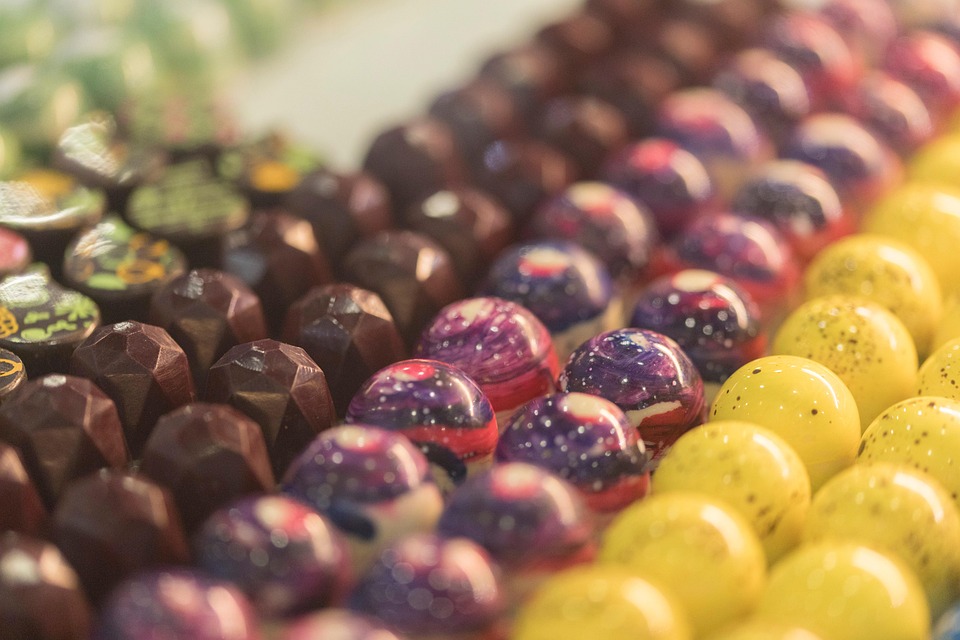
The aesthetic appeal of bonbons is also garnering attention, with many chocolatiers treating their creations as edible works of art. Techniques such as airbrushing, hand-painting, and marbling are used to create visually stunning designs that enhance the overall experience of indulgence.
Pairing Bonbons with Beverages
To elevate the experience of enjoying chocolate bonbons, pairing them with complementary beverages can enhance the flavors and create a harmonious tasting experience.
Wine
Wine and chocolate are a classic pairing, with red wines like Merlot or Cabernet Sauvignon complementing dark chocolate bonbons, while white wines such as Riesling or Moscato pair well with milk chocolate varieties.
Coffee
The rich, robust flavors of coffee are a natural match for chocolate bonbons, with espresso or dark roast coffees enhancing the deep cocoa notes. For a sweeter alternative, a creamy latte or cappuccino can balance the richness of the bonbons.
Tea
Tea offers a versatile pairing option, with green or white teas providing a refreshing contrast to fruity or floral bonbon fillings, while black or oolong teas complement nutty or caramel flavors.
The Future of Chocolate Bonbons
As the world of chocolate bonbons continues to evolve, the future promises even more innovation and creativity. From sustainable sourcing and ethical production practices to cutting-edge flavor combinations and artistic designs, the possibilities are endless. Chocolatiers will continue to push the boundaries of this beloved confection, ensuring that chocolate bonbons remain a symbol of indulgence and sophistication for generations to come.
In conclusion, chocolate bonbons are more than just sweets; they are a testament to the artistry and passion of chocolatiers worldwide. With their diverse flavors, exquisite designs, and rich history, bonbons offer a unique and pleasurable experience for chocolate lovers everywhere. Whether you’re a seasoned connoisseur or a curious newcomer, exploring the world of chocolate bonbon varieties is sure to delight your senses and ignite your imagination.
#ChatGPT assisted in the creation of this article.