
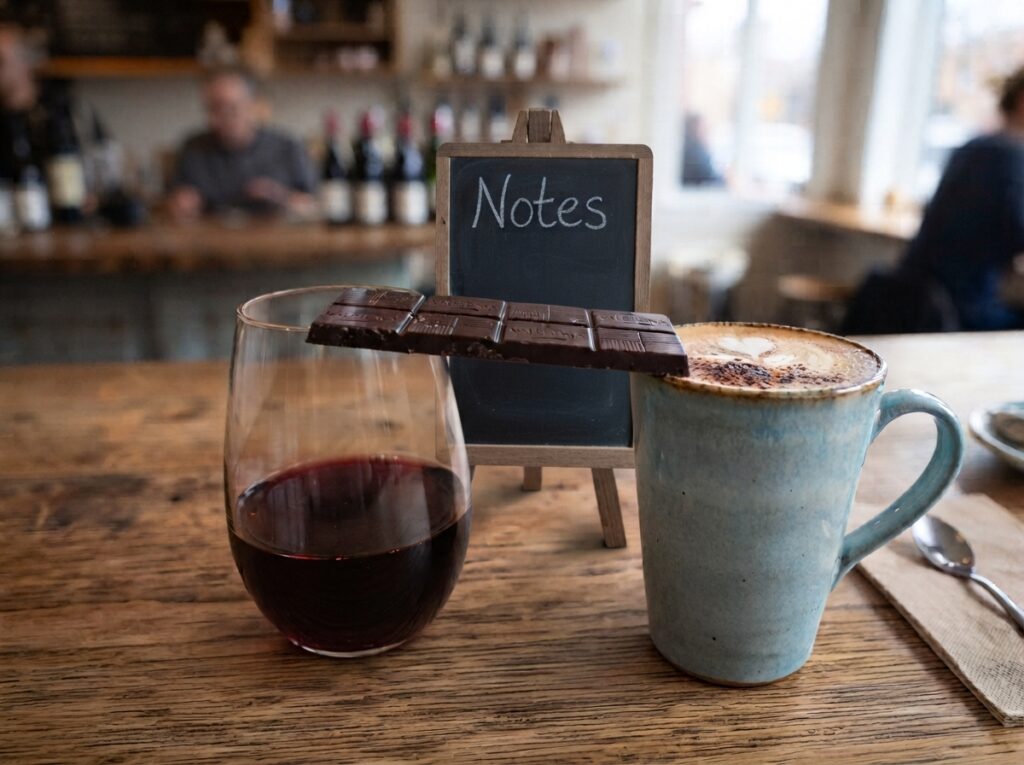
Unwrapping a standard supermarket candy bar is like drinking instant coffee: it is dependable, uniform, and designed to taste the same every single time.
The world of fine cacao, however, is much more like stepping into specialty pour-over coffee or vintage wine. Moving away from mass-market blends and into single-origin chocolate opens up a complex, terroir-driven tasting experience.
What Does “Single-Origin” Really Mean?
Think of single-origin cacao as a regional vintage. A Chardonnay from the misty hills of Burgundy tastes radically different from one grown in sunny California; similarly, a cacao bean carries the distinct signature of its soil, rainfall, altitude, and local processing.
-
Supermarket Blends: Large manufacturers combine beans from multiple countries to create a generic, standardized “chocolatey” baseline that never surprises the palate.
-
Single-Origin Bars: Made exclusively with beans from a specific harvest and region, preserving the bean’s wild, eccentric natural flavor.
Tasting single-origin chocolate is a geography lesson for your senses. A bar from Peru might lean earthy and nutty, while a bar from Vietnam delivers sharp, citrusy brightness.
How to Decode Chocolate Like Wine or Specialty Coffee
If you know how to talk about tasting notes in wine or espresso, you already speak the language of craft chocolate. These flavors are not artificial additives—they are natural chemical compounds developed during growth and fermentation:
| Flavor Note | What It Tastes Like | Where It Often Originates | Tasting Comparison |
| Fruity & Bright | Tart cherry, raspberry, green apple, or citrus zest | Madagascar, Vietnam | Bright, acidic Ethiopian coffee or a crisp Pinot Noir |
| Floral & Herbal | Jasmine, subtle rose, or aromatic black tea | Ecuador, Venezuela | An aromatic Sauvignon Blanc or delicate green tea |
| Fudgy & Deep | Rich brownie batter, roasted nuts, molasses | Ghana, Dominican Republic | A dark roast pour-over with a velvety, lingering body |
The Secret to Tasting Like a Pro
The real magic of fine chocolate is the interplay between high and low notes:
-
The “Bass Notes”: The comforting, deep, brownie-like foundation that gives the bar its structure and body.
-
The “Treble Notes”: The bright, floral, or berry-like aromatics that unfold across your tongue as the cocoa butter melts.
How to Start
Treat fine chocolate like a sensory experience rather than a quick sugar hit. Break off a small square, let it melt slowly on your tongue rather than chewing, and notice which notes appear first. Discovering what your palate prefers is the best part of the journey.