
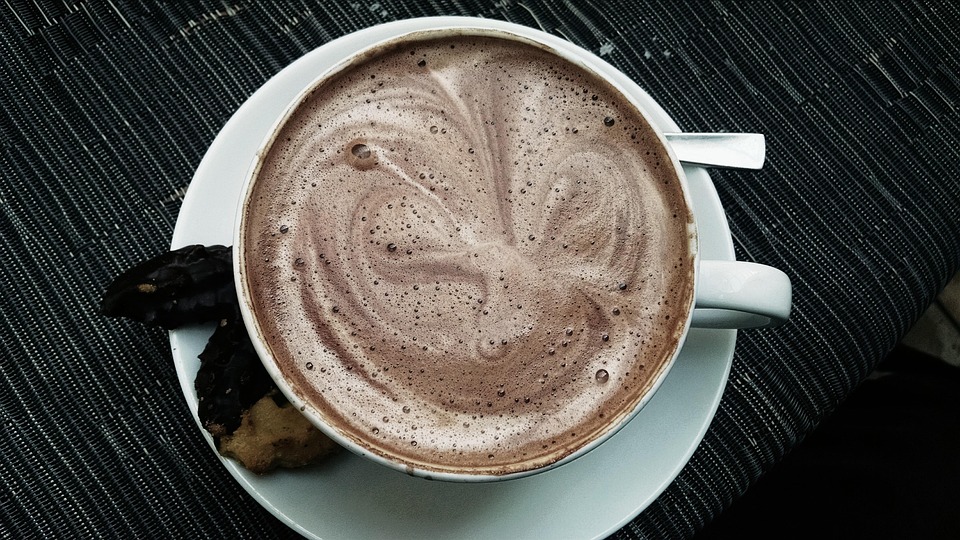
Hot chocolate, a comforting beverage loved by many, boasts a rich history and a multitude of variations across the globe. From the simple yet satisfying cup of cocoa enjoyed in your local café to the decadent, thick concoctions served in Europe, hot chocolate is a drink that has been adapted and reinvented countless times. In this article, we will embark on a journey to explore some of the most exquisite hot chocolate varieties from around the world, each offering a unique take on this universally adored drink.
European Elegance: The Origins of Hot Chocolate
The story of hot chocolate begins in Europe, where it was first introduced in Spain by explorer Hernán Cortés in the early 16th century. The Spanish adapted the original Aztec recipe, which was a bitter concoction made from cacao beans, by adding sugar and spices to create a sweeter and more palatable drink. This Spanish adaptation spread throughout Europe, with each country adding its unique twist.
Spanish Hot Chocolate
Spanish hot chocolate, known as “chocolate a la taza,” is renowned for its thickness and rich flavor. Made with dark chocolate, milk, and a touch of cornstarch, this version is often served with churros, a popular Spanish pastry. The combination of the thick, velvety chocolate and the crispy churros creates a delightful balance of textures and flavors, making it a favorite treat in Spain.
French Hot Chocolate
In France, hot chocolate is called “chocolat chaud” and is known for its luxurious, creamy texture. The French prefer using high-quality dark chocolate with a high cocoa content, which is melted and mixed with whole milk or cream. This results in a smooth, decadent drink that is often served in elegant cafés throughout Paris. Some variations may include a hint of vanilla or cinnamon to enhance the chocolate’s natural flavors.
Italian Indulgence: Cioccolata Calda
Italy’s take on hot chocolate, known as “cioccolata calda,” is a thick and luscious drink that borders on the consistency of pudding. This version is made with a combination of cocoa powder, sugar, milk, and cornstarch, which gives it its signature thickness. Often topped with whipped cream or a sprinkle of cocoa powder, cioccolata calda is a winter staple in Italian households and a must-try for anyone visiting the country during the colder months.
Swiss Perfection: Swiss Hot Chocolate
Switzerland, famous for its high-quality chocolate, offers a hot chocolate experience that is smooth and aromatic. Swiss hot chocolate is typically made with milk chocolate, which gives it a sweeter taste compared to its darker counterparts. The Swiss often enhance their hot chocolate with a dash of cinnamon or a splash of cream, resulting in a creamy and comforting beverage perfect for enjoying during snowy Alpine winters.
Latin American Legacy: The Roots of Cacao
The origins of hot chocolate can be traced back to the ancient civilizations of Latin America, where cacao was revered as a sacred plant. Today, several countries in this region continue to honor their cacao-rich heritage with unique hot chocolate recipes.
Mexican Hot Chocolate
Mexican hot chocolate, or “chocolate caliente,” is a spicy and aromatic beverage that pays homage to its Aztec roots. Made with a blend of dark chocolate, cinnamon, and chili peppers, this version offers a complex and invigorating flavor profile. Traditional Mexican hot chocolate is often whisked with a wooden molinillo, a tool used to create a frothy texture, and is served alongside sweet bread or pastries.
Colombian Hot Chocolate
In Colombia, hot chocolate is often enjoyed in a unique way: with cheese. Known as “chocolate santafereño,” this beverage is made with dark chocolate, milk, and sugar, and is typically accompanied by a slice of soft cheese that is dipped into the hot drink. The combination of sweet chocolate and salty cheese is surprisingly harmonious and is a beloved tradition in Colombian culture.
Asian Inspirations: A Fusion of Flavors
While hot chocolate is not traditionally associated with Asia, the continent has embraced and adapted this beverage in creative and delightful ways.
Japanese Hot Chocolate
In Japan, hot chocolate is often infused with matcha, a finely ground green tea powder that adds a vibrant color and earthy flavor to the drink. This fusion of chocolate and matcha results in a unique taste experience that combines the sweetness of chocolate with the umami notes of green tea. Japanese hot chocolate is often enjoyed as a cozy winter treat, particularly during the holiday season.
Indian Hot Chocolate
India, a land known for its rich spice heritage, offers a hot chocolate version that incorporates traditional Indian spices such as cardamom, cloves, and ginger. This spiced hot chocolate is a warming and aromatic beverage that delights the senses with its fragrant notes and creamy texture. Often garnished with a sprinkle of nutmeg or saffron, Indian hot chocolate is a testament to the country’s love for bold and flavorful drinks.
North American Comfort: Classic and Contemporary Creations
In North America, hot chocolate is cherished as a comforting drink that evokes memories of cozy winter evenings and festive gatherings. The region offers both classic and innovative hot chocolate variations that cater to a wide range of tastes.
Classic American Hot Chocolate
The classic American hot chocolate is a simple yet satisfying drink made with cocoa powder, sugar, and milk. Often topped with marshmallows or whipped cream, this version is a favorite among children and adults alike. Its versatility allows for endless customization, from adding flavored syrups to incorporating different types of chocolate.
Gourmet Hot Chocolate
In recent years, gourmet hot chocolate has gained popularity in North America, with artisanal chocolatiers and cafés offering luxurious and inventive variations. These gourmet versions often feature high-quality chocolate, unique flavor infusions such as lavender or chili, and decadent toppings like salted caramel or chocolate shavings. This trend reflects a growing appreciation for artisanal and high-quality ingredients in the culinary world.
Conclusion
Hot chocolate is a truly global beverage, with each culture adding its distinct flair and flavor to the drink. From the rich and thick European versions to the spiced and aromatic Latin American and Asian adaptations, hot chocolate continues to evolve and inspire. Whether you’re sipping a classic cup by the fireplace or indulging in a gourmet creation at a trendy café, hot chocolate offers a comforting and delightful experience that transcends borders and brings people together in the shared joy of chocolate.
#ChatGPT assisted in the creation of this article.