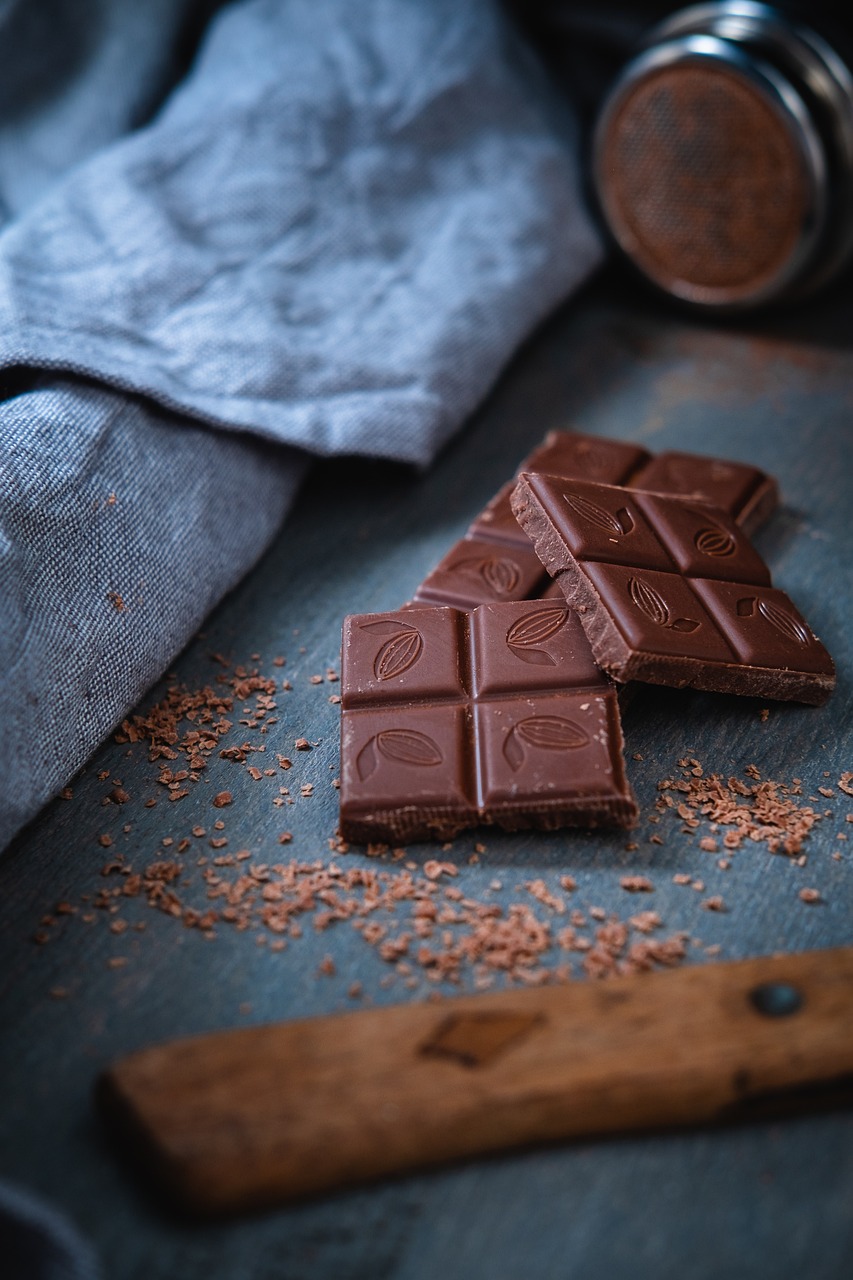
The allure of chocolate, with its rich and decadent flavor, has captivated the hearts of people across the globe for centuries. However, few are aware of its storied past, deeply rooted in the ancient civilizations of Mesoamerica. Among these civilizations, the Maya stand out for their profound connection to chocolate. This article aims to unveil the rich Mayan chocolate legacy, exploring its origins, cultural significance, and lasting impact on the world.
Origins of Chocolate in the Mayan Civilization
The history of chocolate begins in the tropical rainforests of Central America, where the cacao tree (Theobroma cacao) flourished. The Maya, who inhabited regions of present-day Mexico, Belize, Guatemala, and Honduras, were among the first to cultivate and consume cacao. Archaeological findings suggest that the Maya were processing cacao as early as 600 AD, indicating their long-standing relationship with this precious crop.
For the Maya, cacao was not merely a food item but a symbol of abundance and fertility. It was deeply intertwined with their mythology and cosmology, believed to be a gift from the gods. The word “cacao” itself is derived from the Maya term “kakaw,” showcasing its linguistic roots in this ancient civilization.
Cultural Significance of Chocolate in Mayan Society
In Mayan society, chocolate was more than a delicacy; it held significant cultural and spiritual importance. It was primarily consumed as a beverage, made by mixing ground cacao beans with water, spices, and sometimes honey. This frothy drink, known as “xocolatl,” was often reserved for the elite class, priests, and warriors due to its luxurious nature.
The Maya also used cacao in religious rituals and ceremonies. It was considered a sacred offering to the gods and was often depicted in Mayan art and pottery. Chocolate played a role in marriage ceremonies, where it was exchanged between bride and groom as a symbol of union and prosperity.
Additionally, cacao beans served as a form of currency in the Mayan economy. They were traded for goods and services, showcasing the economic value of cacao in addition to its spiritual significance.
Chocolate in Mayan Mythology
Mayan mythology is rich with stories and deities associated with cacao. One of the most significant is the god Kukulkan, also known as Quetzalcoatl in Aztec mythology, who was believed to have discovered cacao and shared it with humanity. In the Popol Vuh, the Mayan creation myth, cacao is mentioned as a divine gift to humans, reinforcing its sacred status.
The Maya also believed that cacao had life-giving properties, often associating it with blood. This belief is reflected in their rituals, where cacao was sometimes combined with human blood in offerings to the gods, underscoring its perceived potency and sacredness.
The Process of Chocolate Making in Mayan Culture
The Mayan process of making chocolate was intricate and labor-intensive. It began with harvesting cacao pods from the cacao tree. The pods were then cracked open to extract the cacao beans, which were fermented, dried, and roasted. The roasted beans were ground into a paste, which was then mixed with water and other ingredients to create the chocolate beverage.
The Maya were known for their experimentation with flavors, often adding spices like chili peppers, vanilla, and annatto to their chocolate drinks. This blend of ingredients created a complex and invigorating flavor profile that was highly prized.
Trade and Influence
The Mayan chocolate legacy did not remain confined to their civilization. Through trade and interaction with neighboring cultures, the Maya spread their knowledge and appreciation of cacao. The Aztecs, who rose to prominence after the decline of the Maya, adopted cacao and revered it as a divine substance. They even used it as a form of tribute, further solidifying its status as a valuable commodity.
European explorers, upon encountering cacao in the New World, were introduced to its unique allure. The Spanish conquistadors, led by Hernán Cortés, were among the first Europeans to taste chocolate, which they initially found bitter and unpalatable. However, once sweetened with sugar, chocolate quickly gained popularity in Europe, paving the way for its global dissemination.
The Enduring Legacy of Mayan Chocolate
Today, the legacy of Mayan chocolate endures in many forms. Modern chocolate-making techniques have evolved from the traditional methods of the Maya, and their flavor combinations continue to inspire contemporary chocolatiers. The cultural significance of chocolate as a symbol of indulgence and celebration can be traced back to its Mayan roots.
In regions where the Maya once thrived, traditional chocolate-making practices are still preserved. Artisans in these areas honor their ancestors by producing chocolate using time-honored methods, ensuring that the rich history of Mayan chocolate is passed down to future generations.
Conclusion
The rich Mayan chocolate legacy is a testament to the enduring power of cultural traditions and the profound impact of ancient civilizations on the modern world. From its origins in the rainforests of Central America to its status as a global delicacy, chocolate’s journey is deeply intertwined with the history of the Maya. As we savor the taste of chocolate today, we are participating in a tradition that spans millennia, honoring the ingenuity and creativity of the Maya who first unlocked the secrets of cacao.
The Mayan chocolate legacy is a reminder of the interconnectedness of cultures and the ways in which ancient practices continue to shape our contemporary lives. It invites us to appreciate the rich tapestry of history woven into every bite of chocolate, a legacy that endures and enriches our world.
#ChatGPT assisted in the creation of this article.