Chocolate has been a beloved treat for centuries, but in recent years, the art of crafting chocolate has reached new heights with the rise of artisan chocolate. Unlike mass-produced chocolate, artisan chocolate is crafted with meticulous attention to detail, focusing on quality, flavor, and the unique characteristics of the cocoa beans. This article takes you on a journey to discover the exquisite world of artisan chocolate types, exploring their origins, production processes, and the nuanced flavors they offer.
The Essence of Artisan Chocolate
Artisan chocolate is defined by its commitment to craftsmanship. Unlike commercial chocolate, which is often produced in large quantities with a focus on consistency and cost-efficiency, artisan chocolate emphasizes small-batch production. This allows chocolatiers to exert greater control over the process, from bean to bar. The result is a product that highlights the complexity and diversity of flavors found in different cocoa beans.
Bean to Bar: A Journey of Flavor
The journey of artisan chocolate begins with the careful selection of cocoa beans. These beans are often sourced from specific regions known for their unique terroir, much like wine. Chocolatiers take great care in choosing beans that will best express the flavors they seek to highlight. The beans are then roasted to develop their distinct flavor profiles, a process that requires a keen sense of timing and temperature control.
Crafting Perfection
Once roasted, the beans go through a process called conching, where they are mixed and aerated to refine the texture and flavor of the chocolate. This step is crucial in developing the smooth, melt-in-your-mouth quality that is characteristic of fine chocolate. Finally, the chocolate is tempered, a process that ensures the finished product has a glossy appearance and a satisfying snap when broken.
Exploring Artisan Chocolate Types
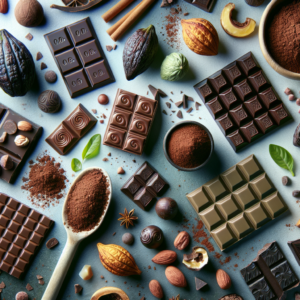
Artisan chocolate comes in a variety of types, each with its own unique characteristics. While there are many ways to categorize chocolate, the most common distinctions are based on the cocoa content and the presence of other ingredients. Let’s explore some of the most popular types of artisan chocolate.
Dark Chocolate
Dark chocolate is a favorite among chocolate purists and is known for its rich, intense flavor. It typically contains a high percentage of cocoa solids, often ranging from 70% to 100%. The lack of milk solids allows the natural flavors of the cocoa bean to shine through, making it a popular choice for those who appreciate a more robust chocolate experience. Artisan dark chocolates often highlight specific bean origins, allowing consumers to savor the unique characteristics of each region.
Milk Chocolate
While milk chocolate is often associated with mass-produced candy bars, artisan milk chocolate offers a refined take on this classic favorite. By carefully balancing cocoa solids, milk, and sugar, artisan chocolatiers create a chocolate that is creamy and smooth, yet still rich in cocoa flavor. The addition of high-quality milk, often from local or organic sources, contributes to the overall depth and complexity of the chocolate.
White Chocolate
White chocolate, often misunderstood as not being “real” chocolate, is a delightful treat in its own right. It is made from cocoa butter, sugar, and milk, without the cocoa solids that characterize dark and milk chocolate. Artisan white chocolate emphasizes the quality of the cocoa butter, which is responsible for its creamy texture and buttery flavor. When crafted with care, white chocolate can offer a luxurious and subtly sweet experience.
Single-Origin Chocolate
Single-origin chocolate is a testament to the diverse flavors of cocoa beans from different regions. By sourcing beans from a specific country or even a particular plantation, chocolatiers can highlight the unique terroir of the region. This type of chocolate celebrates the natural flavors inherent in the beans, from fruity and floral notes to earthy and nutty undertones. Single-origin chocolates allow consumers to embark on a sensory journey around the world, all through the medium of chocolate.
The Art of Pairing Artisan Chocolate
The complexity of artisan chocolate makes it an ideal candidate for pairing with other foods and beverages. By carefully selecting complementary flavors, one can elevate the tasting experience to new heights. Here are some popular pairings to consider:
Wine and Chocolate
Wine and chocolate are both products of fermentation, and their flavors can harmonize beautifully when paired thoughtfully. Dark chocolate pairs well with full-bodied red wines, such as Cabernet Sauvignon or Zinfandel, which can match the intensity of the chocolate. Conversely, milk chocolate can be paired with lighter wines, like Pinot Noir or Riesling, which complement its creamy sweetness. For white chocolate, try a dessert wine, such as a late-harvest Riesling or a Moscato, to enhance its buttery flavor.
Coffee and Chocolate
The rich, roasted flavors of coffee make it a natural companion for chocolate. Try pairing a dark roast coffee with a high-percentage dark chocolate to create a bold, intense flavor experience. For milk chocolate, a medium roast coffee can complement its sweetness without overpowering it. For those who enjoy white chocolate, consider a light roast coffee, which can highlight the chocolate’s subtle flavors.
Cheese and Chocolate
Although not a traditional pairing, cheese and chocolate can create surprisingly delightful combinations. The creamy texture of cheese can balance the richness of chocolate, while their contrasting flavors can create a harmonious blend. For a classic pairing, try a dark chocolate with a robust blue cheese. For milk chocolate, consider a mild brie or a creamy goat cheese. Lastly, white chocolate pairs beautifully with a soft, tangy cheese like a fresh chèvre.
Conclusion: Embrace the World of Artisan Chocolate
The world of artisan chocolate is a realm of endless discovery and delight. With its focus on quality, craftsmanship, and flavor, artisan chocolate offers a sensory experience that goes far beyond the ordinary. By exploring the diverse types of artisan chocolate and experimenting with pairings, you can embark on a journey of taste and texture that is both exquisite and rewarding. Whether you are a seasoned chocolate connoisseur or a curious newcomer, the world of artisan chocolate awaits your exploration.
#ChatGPT assisted in the creation of this article.