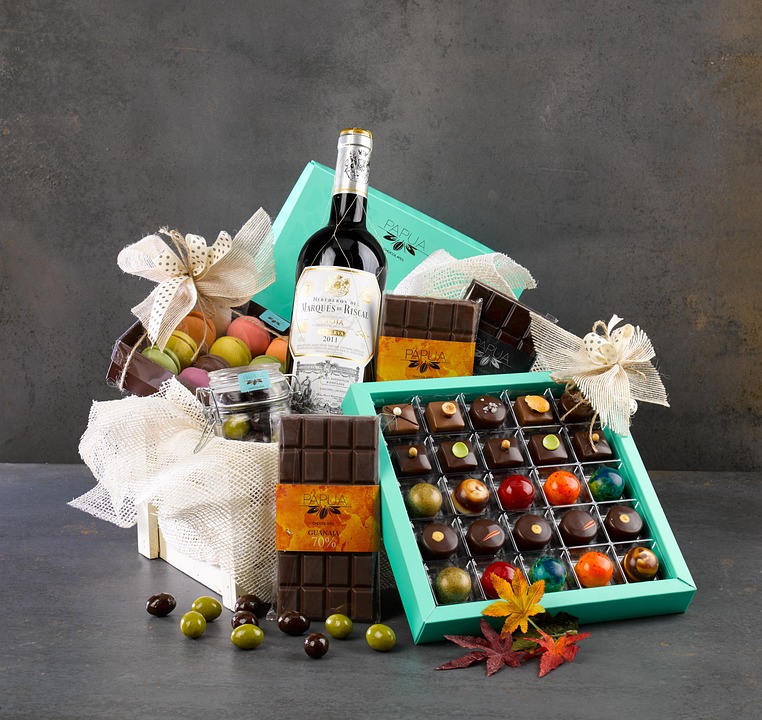
Chocolate, a universal symbol of indulgence and pleasure, has a history as rich and layered as its flavors. While today it is enjoyed globally in countless forms—from bars and truffles to hot beverages and gourmet desserts—the roots of chocolate stretch back thousands of years, deeply entwined with ancient cultures and civilizations. This article embarks on a journey to unveil the ancient origins of chocolate delight, exploring how this beloved treat evolved from a sacred beverage to a worldwide sensation.
The Birthplace of Chocolate: Mesoamerica
Chocolate’s story begins in the lush, tropical rainforests of Mesoamerica, a region encompassing parts of modern-day Mexico, Belize, Guatemala, El Salvador, Honduras, Nicaragua, and Costa Rica. Here, the cacao tree (Theobroma cacao) was first domesticated. The ancient Maya and Aztec civilizations revered cacao not only for its unique taste but also for its cultural and spiritual significance.
The Maya: Pioneers of Chocolate Culture
The Maya civilization, flourishing from around 250 to 900 AD, were among the first to cultivate cacao and transform it into what we recognize as chocolate. For the Maya, cacao was more than a mere food item; it was an integral part of their society and economy. They prepared a frothy, bitter beverage from ground cacao beans, often flavored with spices, chili peppers, and honey—a far cry from the sweetened chocolate we know today.
Cacao was so valuable that it was used as a form of currency. Mayan texts, including the Dresden Codex, depict gods consuming cacao, highlighting its divine status. The Maya also incorporated cacao into religious ceremonies and rituals, believing it to be a gift from the gods.
The Aztec Empire: Chocolate as a Divine Elixir
Following the Maya, the Aztecs, who dominated central Mexico from the 14th to the 16th century, further elevated chocolate’s status. The Aztecs called their chocolate drink “xocolatl,” a term from which the word “chocolate” is derived. This elixir was reserved for the elite, including nobility, warriors, and priests, and played a crucial role in Aztec society.
Aztec mythology links cacao to Quetzalcoatl, a feathered serpent god, who was believed to have brought cacao seeds to Earth. The emperor Montezuma II famously consumed vast quantities of xocolatl daily, believing it to have aphrodisiac properties. Like the Maya, the Aztecs also used cacao beans as currency and for trade, reinforcing its value far beyond culinary delight.
Chocolate’s Journey to Europe
The arrival of European explorers in the Americas during the late 15th and early 16th centuries marked a turning point in the history of chocolate. Christopher Columbus is credited with bringing cacao beans back to Spain after his fourth voyage in 1502, but it was Hernán Cortés who introduced chocolate to the Spanish court in the 1520s.
Spain: The Sweet Transformation
Initially, Europeans found the bitter beverage unpalatable. However, by adding sugar, vanilla, and cinnamon, they transformed xocolatl into a sweet treat, better suited to European palates. This adaptation led to chocolate’s rapid spread throughout Spain and later to other parts of Europe.
In Spain, chocolate became a fashionable drink among the aristocracy and the clergy. It was consumed in chocolate houses, which became social hubs for the elite. By the 17th century, chocolate had gained popularity in France, Italy, and England, each country adding its own twist to the preparation and consumption of chocolate.
Industrial Revolution: Chocolate for the Masses
Chocolate remained a luxury for the elite until the Industrial Revolution in the 18th and 19th centuries, which revolutionized chocolate production. Technological advancements made it possible to process cacao beans on a larger scale and at a lower cost, making chocolate more accessible to the general public.
Key Innovations in Chocolate Production
Several key innovations during this period transformed chocolate into the form we recognize today. In 1828, Dutch chemist Coenraad Johannes van Houten invented the cocoa press, which extracted cocoa butter from roasted cacao beans, leaving behind a fine cocoa powder. This process not only improved the texture and taste of chocolate but also made it more affordable.
In 1847, British chocolatier J.S. Fry & Sons created the first solid chocolate bar by mixing cocoa powder, cocoa butter, and sugar. This breakthrough paved the way for the chocolate bars we enjoy today. Later, in 1875, Swiss chocolatier Daniel Peter, in collaboration with Henri Nestlé, developed milk chocolate by adding condensed milk to the mix, further expanding chocolate’s appeal.
The Rise of Chocolate Giants
The late 19th and early 20th centuries saw the emergence of iconic chocolate brands, many of which remain influential today. Companies like Cadbury, Hershey, and Lindt helped popularize chocolate worldwide, introducing new products and flavors that captured the imagination of consumers.
Milton S. Hershey, for instance, revolutionized chocolate production in the United States by establishing the Hershey Chocolate Company and building a company town in Pennsylvania dedicated to chocolate manufacturing. His commitment to making quality chocolate accessible to all helped solidify chocolate’s place in American culture.
Modern Chocolate Culture
Today, chocolate is a global industry worth billions of dollars, with countless varieties and flavors catering to diverse tastes and preferences. From artisanal chocolatiers crafting small-batch confections to large corporations producing mass-market chocolate products, the world of chocolate is as varied as it is vast.
Craft Chocolate and Sustainability
In recent years, there has been a resurgence of interest in craft chocolate, with an emphasis on quality, sustainability, and ethical sourcing. Craft chocolatiers focus on highlighting the unique flavors of cacao from different regions, often working directly with farmers to ensure fair wages and environmentally friendly practices.
This movement has also led to increased awareness about the challenges faced by cacao farmers, including climate change, deforestation, and economic instability. As consumers become more conscious of these issues, there is a growing demand for chocolate that is not only delicious but also ethically produced.
Chocolate as a Cultural Icon
Beyond its culinary applications, chocolate has become a cultural icon, symbolizing celebration, love, and comfort. It plays a central role in holidays like Valentine’s Day, Easter, and Christmas, and is often associated with indulgence and luxury.
Chocolate’s versatility and universal appeal have also made it a subject of artistic and culinary exploration. Chefs and artists alike continue to push the boundaries of what chocolate can be, creating intricate sculptures, avant-garde desserts, and innovative flavor pairings that challenge traditional notions of this beloved treat.
Conclusion
From its ancient origins in the sacred rituals of Mesoamerican civilizations to its current status as a global culinary phenomenon, chocolate’s journey is a testament to its enduring allure. While its forms and flavors have evolved over centuries, chocolate remains a symbol of joy and indulgence, connecting people across cultures and generations. As we continue to explore and innovate with this cherished delight, we honor its rich history and look forward to the future of chocolate culture.
#ChatGPT assisted in the creation of this article.