Chocolate is not merely a treat; it is an art form and a science. Whether you are a casual consumer or a connoisseur, understanding the indicators of chocolate quality can enhance your appreciation and guide you in making informed choices. From the initial selection of cacao beans to the final bar, each step in the chocolate-making process has a profound impact on the quality of the end product. This article delves into the key indicators of chocolate quality, providing you with the knowledge needed to discern the best from the rest.
Understanding the Origin
The journey of chocolate begins with the cacao bean, and its origin plays a crucial role in determining the quality of the final product. Cacao is cultivated in regions around the equator, with countries like Ghana, Ivory Coast, Ecuador, and Peru being prominent producers. Each region imparts distinct flavors and characteristics to the cacao beans, influenced by factors such as soil composition, climate, and farming practices.
Single-Origin vs. Blended Chocolate
Single-origin chocolates are made from beans sourced from a specific region or plantation, allowing the unique flavors of that area to shine through. These chocolates are celebrated for their distinct taste profiles, ranging from fruity and floral to nutty and spicy. In contrast, blended chocolates combine beans from different origins to achieve a balanced and consistent flavor. Both types have their merits, but understanding the origin of the beans can greatly enhance your chocolate-tasting experience.
The Role of Cacao Content
One of the most prominent indicators of chocolate quality is its cacao content, often expressed as a percentage on the packaging. This percentage represents the total amount of cocoa solids, cocoa butter, and cocoa mass in the chocolate. Higher cacao content generally indicates a more intense chocolate flavor and less sugar content.
Dark, Milk, and White Chocolate
Dark chocolate typically contains a high percentage of cacao, often above 70%, resulting in a bold and rich flavor. Milk chocolate includes milk solids, which reduce the cacao percentage and lend a creamier taste. White chocolate, while technically not chocolate due to the absence of cocoa solids, consists of cocoa butter, sugar, and milk solids, offering a sweet and smooth profile. Understanding the cacao content helps consumers choose chocolates that align with their taste preferences and dietary needs.
Evaluating the Ingredients
The ingredient list is a critical indicator of chocolate quality. High-quality chocolates contain minimal ingredients, focusing on purity and flavor. Look for chocolate that lists cocoa mass or chocolate liquor as the primary ingredient, followed by sugar and sometimes vanilla or lecithin as an emulsifier. Avoid chocolates with artificial flavors, hydrogenated fats, or excessive additives, as these can detract from the chocolate’s natural taste and quality.
Assessing the Texture
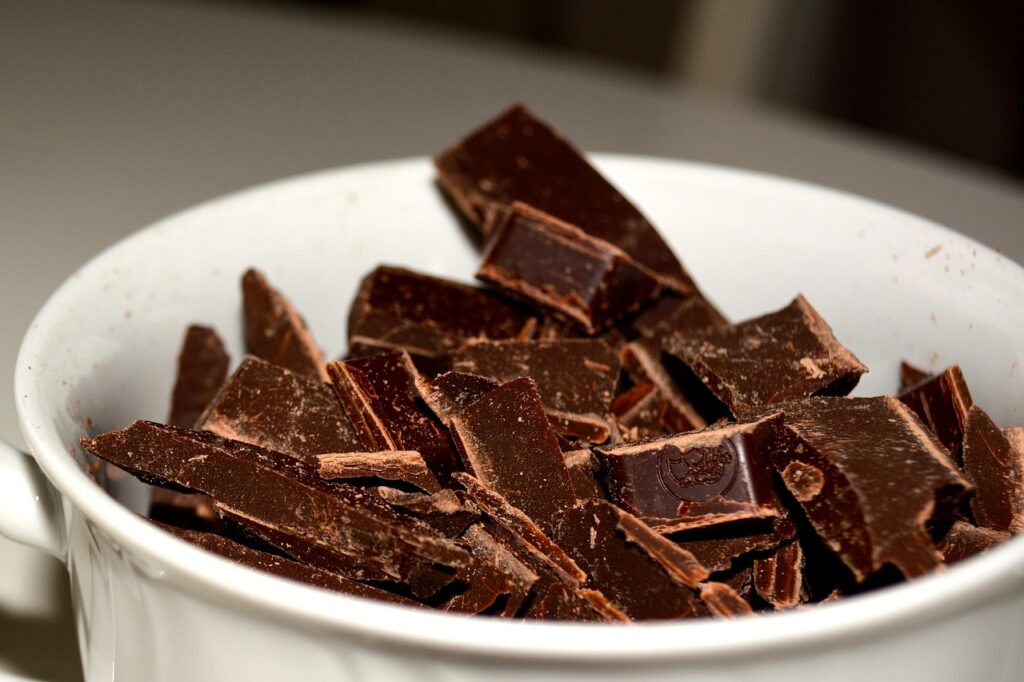
Texture is an essential aspect of chocolate quality, influencing the mouthfeel and overall enjoyment. High-quality chocolate should have a smooth, glossy appearance and a satisfying snap when broken. These characteristics are achieved through a process called tempering, which stabilizes the cocoa butter crystals and enhances the chocolate’s texture.
Mouthfeel and Melting Properties
Upon tasting, the chocolate should melt evenly on the tongue, delivering a creamy and luxurious sensation. Grittiness or waxiness is a sign of poor-quality chocolate or improper processing. The ideal chocolate should coat the mouth with its flavor, leaving a pleasant aftertaste that lingers.
The Importance of Aroma
Aroma is a powerful indicator of chocolate quality, providing insights before even taking the first bite. High-quality chocolate emits a rich, complex aroma with notes that might include vanilla, nuts, fruit, or spices, depending on the origin and cacao content. A strong, pleasant aroma indicates freshness and careful processing, while a lack of aroma or a stale smell suggests lower quality or poor storage.
Tasting for Flavor Complexity
The true test of chocolate quality lies in its flavor complexity. High-quality chocolate offers a multi-layered taste experience, with initial impressions evolving into distinct secondary notes. The balance between sweetness, bitterness, acidity, and richness is crucial in determining the chocolate’s overall profile.
Flavor Profile Variations
Flavor profiles can vary significantly based on origin, cacao content, and processing techniques. For instance, chocolate from Madagascar might have bright, fruity notes with hints of citrus, while chocolate from Ecuador could present deeper, earthy flavors with floral undertones. Engaging with these flavor variations enhances the tasting experience and allows for a deeper appreciation of chocolate as an artisanal product.
Reading Labels and Certifications
Informed consumers often look for specific labels and certifications that indicate quality and ethical practices. Certifications such as Fair Trade, Rainforest Alliance, or organic labels ensure that the chocolate is produced sustainably and ethically, supporting fair labor practices and environmental conservation.
Bean-to-Bar and Craft Chocolatiers
Bean-to-bar chocolates are crafted by artisans who oversee the entire production process, from sourcing the beans to final packaging. This approach allows for greater control over quality and flavor, resulting in a superior product. Supporting craft chocolatiers not only guarantees a high-quality experience but also promotes sustainable and ethical chocolate production.
Conclusion
Unlocking the secrets of chocolate quality is an enriching journey that enhances both knowledge and enjoyment. By understanding the key indicators of chocolate quality—origin, cacao content, ingredients, texture, aroma, flavor complexity, and ethical certifications—consumers can make informed choices and savor chocolate in its finest form. Whether you prefer the bold intensity of dark chocolate or the creamy sweetness of milk chocolate, appreciating these nuances elevates the chocolate-tasting experience, transforming it into a sophisticated indulgence.
#ChatGPT assisted in the creation of this article.