Understanding Couverture Chocolate: A Comprehensive Guide
Chocolate, in its many forms, has captivated the hearts and palates of people around the world for centuries. Among the various types of chocolate, couverture chocolate stands out for its superior quality and unique properties, making it a favorite among professional chocolatiers and pastry chefs. In this comprehensive guide, we will delve into the fascinating world of couverture chocolate, exploring its composition, uses, and the reasons it holds a special place in the realm of gourmet confections.
What is Couverture Chocolate?
Couverture chocolate is a term derived from the French word “couverture,” meaning “covering.” It is a high-quality chocolate that is specifically formulated for tempering and coating confections. Unlike regular chocolate, couverture chocolate contains a higher percentage of cocoa butter, which gives it a smooth, glossy finish and a rich, creamy texture. This unique composition makes it ideal for tempering—a process that involves carefully heating and cooling the chocolate to stabilize its crystalline structure.
Composition of Couverture Chocolate
The key to understanding couverture chocolate lies in its composition. The primary ingredients are cocoa mass (also known as cocoa liquor), cocoa butter, sugar, and, in some cases, milk solids. The distinguishing feature of couverture chocolate is its high cocoa butter content, which typically ranges from 31% to 39%. This elevated level of cocoa butter not only contributes to its superior melting properties but also enhances its flavor profile.
Types of Couverture Chocolate
Couverture chocolate comes in various types, each offering a unique flavor experience:
1. **Dark Couverture Chocolate**: Made from cocoa mass, sugar, and cocoa butter, dark couverture chocolate contains a high percentage of cocoa solids, usually ranging from 50% to 70% or more. It is known for its intense and complex flavor, making it a favorite for crafting sophisticated desserts.
2. **Milk Couverture Chocolate**: This variety includes milk solids along with cocoa mass, sugar, and cocoa butter. The addition of milk gives it a creamier texture and a sweeter, milder flavor compared to dark chocolate. Milk couverture chocolate typically contains around 30% to 40% cocoa solids.
3. **White Couverture Chocolate**: Unlike its dark and milk counterparts, white couverture chocolate does not contain cocoa mass. Instead, it is composed of cocoa butter, sugar, and milk solids. The absence of cocoa mass gives it a delicate, sweet flavor and a smooth, velvety texture.
The Art of Tempering Couverture Chocolate
Tempering is a crucial technique in working with couverture chocolate. Proper tempering ensures that the chocolate sets with a shiny finish and a satisfying snap, both of which are essential for high-quality chocolate creations. The process involves three main steps: heating, cooling, and reheating the chocolate to specific temperatures.
1. **Melting**: First, the chocolate is gently melted to a specified temperature, typically between 113°F and 122°F (45°C and 50°C), depending on the type of chocolate used. This step breaks down the existing crystal structure.
2. **Cooling**: The chocolate is then cooled to a lower temperature, around 81°F to 82°F (27°C to 28°C), to encourage the formation of stable crystals.
3. **Reheating**: Finally, the chocolate is gently reheated to a working temperature, usually between 88°F and 91°F (31°C and 32°C). This ensures that the chocolate maintains its tempered state while being used.
Applications of Couverture Chocolate
Couverture chocolate’s exceptional properties make it a versatile ingredient in the culinary world. Its high cocoa butter content and ability to be tempered make it ideal for a variety of applications:
Chocolate Coatings
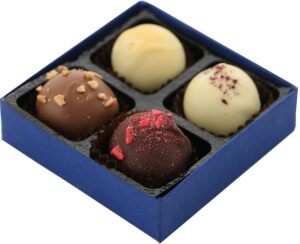
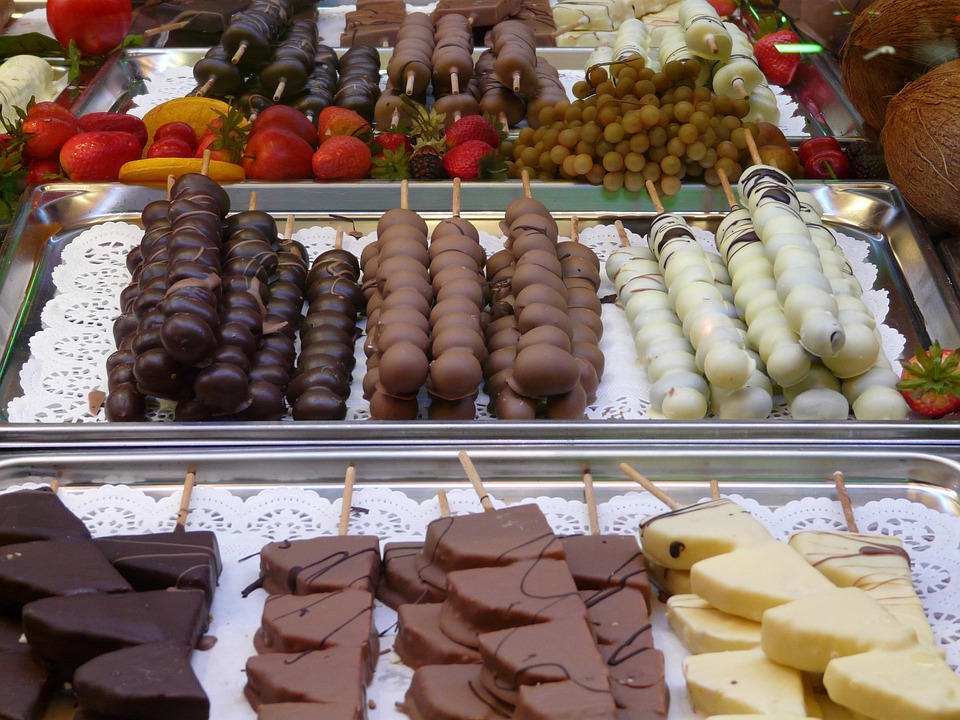
Couverture chocolate is prized for its ability to create thin, even, and glossy coatings on confections such as truffles, pralines, and chocolate-covered fruits. Its high cocoa butter content allows it to melt smoothly and evenly, producing a professional-quality finish.
Molding
Thanks to its superior tempering capabilities, couverture chocolate is commonly used in making chocolate molds and sculptures. Its smooth texture and shiny appearance make it perfect for creating intricate shapes and designs.
Ganache and Fillings
Couverture chocolate is often used as the base for ganache—a rich, creamy mixture made with chocolate and cream. The high cocoa butter content lends a luxurious mouthfeel to ganache, making it ideal for filling pastries, cakes, and macarons.
Baking and Cooking
While couverture chocolate is often associated with professional applications, it can also be used in home baking and cooking. Its intense flavor and smooth texture make it an excellent choice for brownies, cookies, and chocolate sauces.
Choosing the Right Couverture Chocolate
When selecting couverture chocolate, there are several factors to consider to ensure the best results in your culinary creations:
Cocoa Content
The percentage of cocoa solids in couverture chocolate can greatly affect its flavor and application. Dark couverture chocolate with a higher cocoa content will have a more intense flavor, while milk and white couverture chocolates offer a sweeter, creamier taste.
Flavor Profile
Different brands and varieties of couverture chocolate may have distinct flavor profiles, influenced by factors such as the origin of the cocoa beans and the roasting process. Tasting different chocolates can help you find the one that best suits your preferences and culinary needs.
Purpose
Consider the intended use of the couverture chocolate. For coatings and moldings, a chocolate with a high cocoa butter content and excellent tempering properties is essential. For fillings and ganache, a chocolate with a smooth, creamy texture is preferred.
Storing Couverture Chocolate
Proper storage is crucial to maintaining the quality of couverture chocolate. Here are some tips for storing it effectively:
Temperature
Store couverture chocolate in a cool, dry place, ideally between 60°F and 70°F (15°C and 21°C), to prevent it from melting or developing bloom—a whitish coating caused by fat or sugar crystallization.
Humidity
Avoid exposing chocolate to high humidity, as moisture can lead to sugar bloom and affect the chocolate’s texture and appearance.
Packaging
Keep couverture chocolate in its original packaging or an airtight container to protect it from odors and moisture. This will help preserve its flavor and texture.
Conclusion
Couverture chocolate is a remarkable ingredient that exemplifies the artistry and precision of chocolate-making. Its high cocoa butter content, exceptional melting properties, and ability to be tempered make it a favorite among professional chocolatiers and pastry chefs. Whether you’re creating elegant chocolate truffles, crafting intricate molds, or simply indulging in a piece of fine chocolate, understanding couverture chocolate is essential to achieving the best results. With this comprehensive guide, you are now equipped with the knowledge to appreciate and work with this exquisite type of chocolate, elevating your culinary creations to new heights.
#ChatGPT assisted in the creation of this article.