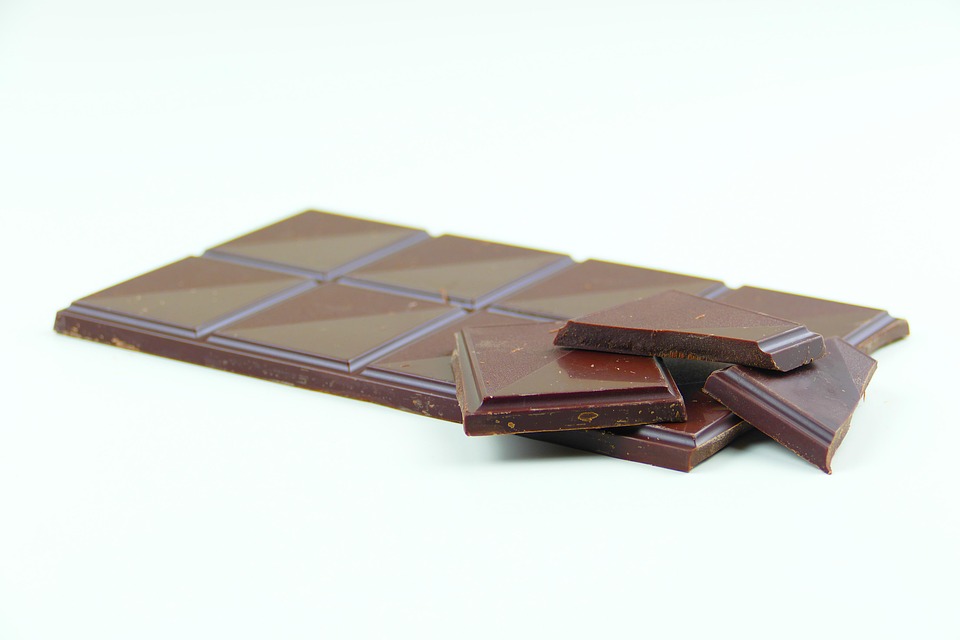
Bitter chocolate, often referred to as dark chocolate, is a beloved indulgence for many chocolate enthusiasts. Unlike its sweeter counterparts, bitter chocolate is characterized by a higher cocoa content and minimal additives, allowing the rich, complex flavors of the cocoa bean to shine. In this guide, we explore the various types and varieties of bitter chocolate, delving into their unique characteristics, production methods, and culinary uses.
What Defines Bitter Chocolate?
Bitter chocolate is generally classified as chocolate that contains at least 70% cocoa solids. The higher cocoa content results in a more intense chocolate flavor, with less sugar and other additives. The primary ingredients typically include cocoa mass, cocoa butter, and a small amount of sugar. The absence of milk solids distinguishes it from milk chocolate, contributing to its robust and full-bodied taste.
The Production Process
The journey of bitter chocolate begins with the cocoa bean, which is harvested, fermented, and dried before being roasted. The roasted beans are then ground into cocoa nibs, which are further processed into cocoa mass or chocolate liquor. This liquor is the foundation of all chocolate types. For bitter chocolate, the liquor is combined with cocoa butter and sugar, then refined, conched, and tempered to achieve a smooth texture and shine.
Types of Bitter Chocolate
High-Cocoa Dark Chocolate
This type of bitter chocolate typically contains 70-85% cocoa solids. It offers a balance between bitterness and sweetness, making it a popular choice for both eating and baking. The flavor profile is rich and complex, with notes that can range from fruity to nutty, depending on the origin of the cocoa beans.
Extra Bitter Chocolate
With 85-99% cocoa content, extra bitter chocolate is for true chocolate aficionados who appreciate the intense and bold flavors of high-cocoa chocolate. It has a pronounced bitterness, with very little sweetness, allowing the natural flavors of the cocoa bean to take center stage.
Unsweetened Chocolate
Also known as baking chocolate, this type contains 100% cocoa solids and no added sugars. It is not typically consumed on its own due to its extreme bitterness but is a key ingredient in many baked goods and desserts, providing a deep chocolate flavor.
Single-Origin Chocolate
Single-origin chocolate is made from cocoa beans sourced from a specific region or even a single plantation. The unique terroir of the growing region imparts distinctive flavors to the chocolate, making each bar a unique tasting experience. Common origins include Madagascar, Ecuador, and Ghana, each offering different flavor notes.
Varieties of Bitter Chocolate by Region
Madagascar
Madagascar is renowned for its cocoa beans that produce chocolate with bright, fruity notes, often with hints of citrus and berries. Chocolate from this region is highly aromatic and pairs well with a variety of ingredients.
Ecuador
Ecuadorian chocolate is known for its floral and nutty undertones, with a hint of spice. The Arriba Nacional variety is particularly prized for its fine flavor and aroma, making it a favorite among chocolate connoisseurs.
Ghana
Ghanaian cocoa beans are known for their robust, full-bodied flavor with a balanced bitterness. Chocolate from Ghana often has earthy and nutty notes, making it a versatile option for both eating and cooking.
Culinary Uses of Bitter Chocolate
Bitter chocolate is a versatile ingredient in both sweet and savory dishes. Its rich flavor enhances desserts like cakes, mousses, and truffles. In savory applications, it can be used in mole sauces or as a unique addition to meat dishes, providing depth and complexity.
Health Benefits of Bitter Chocolate
Bitter chocolate is not only a treat for the taste buds but also offers several health benefits. It is rich in antioxidants, particularly flavonoids, which have been linked to improved heart health. Additionally, it contains minerals like iron, magnesium, and zinc. Consuming moderate amounts of bitter chocolate can also enhance mood, thanks to compounds like phenylethylamine and serotonin.
Pairing Bitter Chocolate
The complex flavors of bitter chocolate can be complemented by a variety of beverages and ingredients. For a classic pairing, try it with a robust red wine, such as a Cabernet Sauvignon or a Merlot. Coffee and espresso also enhance the chocolate’s rich flavors. For a more adventurous combination, consider pairing it with cheeses, such as aged Gouda or blue cheese, which contrast with the chocolate’s bitterness.
Choosing the Best Bitter Chocolate
When selecting bitter chocolate, consider the cocoa content, origin, and any added ingredients. Look for chocolate that lists cocoa mass or chocolate liquor as the first ingredient, which indicates a higher cocoa content. Single-origin chocolates offer unique flavor profiles, while fair-trade and organic certifications can ensure ethical sourcing and production.
Storing Bitter Chocolate
To maintain the quality of bitter chocolate, store it in a cool, dry place away from direct sunlight. It is best kept at a temperature between 60-70°F (15-21°C). Avoid refrigerating chocolate, as this can cause blooming, where sugar or fat rises to the surface, affecting the appearance and texture.
Conclusion
Bitter chocolate is a complex and intriguing variety that offers a world of flavors for chocolate lovers to explore. Whether you enjoy it on its own, in a dessert, or as part of a savory dish, understanding the types and varieties of bitter chocolate enhances the appreciation of this exquisite treat. With its rich history, diverse origins, and potential health benefits, bitter chocolate continues to captivate palates around the globe. So, the next time you indulge in a piece of bitter chocolate, take a moment to savor the intricate flavors and the story behind each bite.
#ChatGPT assisted in the creation of this article.