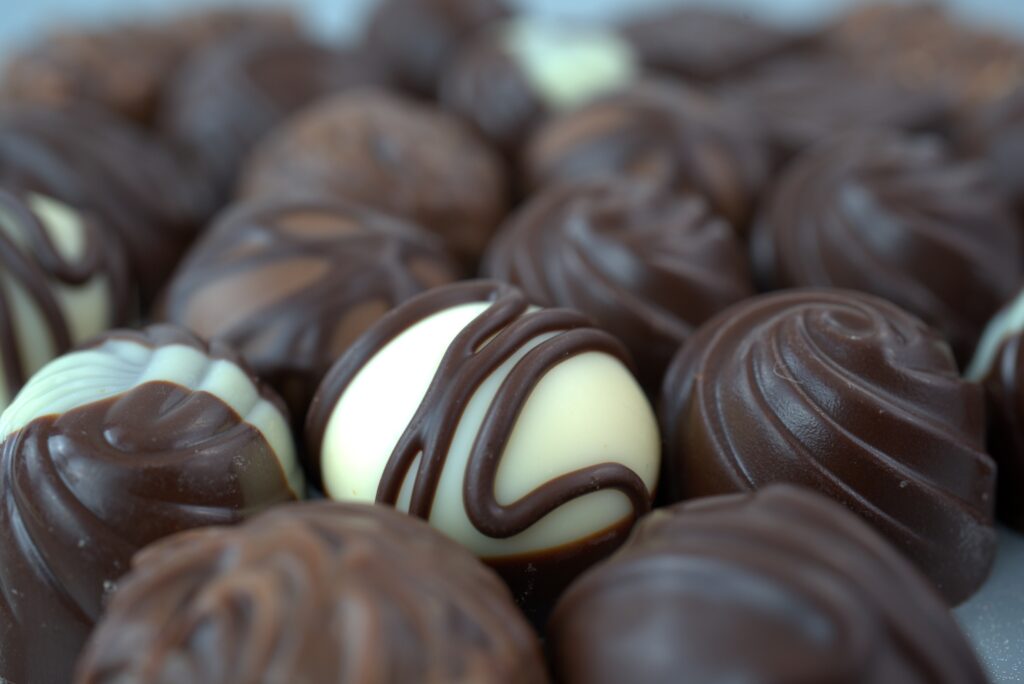
Chocolate, with its rich, indulgent flavors and velvety texture, is a beloved treat for many. Whether you’re savoring a piece of dark chocolate, indulging in milk chocolate, or enjoying the creamy sweetness of white chocolate, ensuring your chocolate stays fresh is crucial for maintaining its delightful taste and texture. In this article, we will explore the top tips to ensure your chocolate remains at its best, from storage techniques to understanding the factors that affect its quality.
Understanding Chocolate’s Sensitivity
Before diving into the specifics of keeping your chocolate fresh, it’s important to understand why chocolate is sensitive to environmental conditions. Chocolate is primarily made from cocoa butter, which is a fat that can easily absorb odors and flavors from its surroundings. Additionally, chocolate is sensitive to temperature and humidity changes, which can lead to unwanted texture and flavor changes.
Optimal Storage Conditions
Temperature
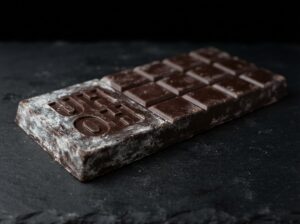
The key to preserving chocolate’s freshness lies in maintaining a stable temperature. Ideally, chocolate should be stored at a temperature between 60°F and 70°F (15°C and 21°C). Temperatures higher than this can cause the cocoa butter to melt, resulting in a condition known as “bloom.” Bloom can either be fat bloom, where the cocoa butter rises to the surface and creates a whitish coating, or sugar bloom, which occurs when moisture melts the sugar in the chocolate and it recrystallizes on the surface.
Humidity
Humidity is another critical factor in preserving chocolate’s quality. High humidity levels can lead to sugar bloom and a sticky texture. Aim for a relative humidity level of below 55% for optimal storage conditions. If you live in a humid environment, consider using a dehumidifier or silica gel packs to control moisture levels around your chocolate.
Light
Light exposure can also degrade chocolate over time. Ultraviolet light, in particular, can cause the chocolate to oxidize, affecting its taste and appearance. Store chocolate in a dark place, such as a cupboard or pantry, to minimize light exposure.
Packaging Matters
Proper packaging is crucial to maintaining chocolate’s freshness. Most commercially available chocolates are packaged in materials that protect them from air, moisture, and light. If you’ve opened a package or have homemade chocolate, consider these options:
- Aluminum foil or plastic wrap: Wrap the chocolate tightly to prevent air exposure and protect it from absorbing odors.
- Airtight containers: Use airtight containers to further protect chocolate from environmental factors and odors.
- Vacuum sealing: For long-term storage, vacuum sealing is an excellent option to keep your chocolate fresh and free of external contaminants.
Avoid Strong Odors
Chocolate easily absorbs odors from its surroundings, which can alter its flavor profile. To prevent this, store chocolate away from strong-smelling foods and substances like spices, onions, and cleaning products. If possible, keep chocolate in a separate compartment or container to ensure it remains unaffected by other smells.
Refrigeration and Freezing
Refrigeration
While refrigeration is not the ideal storage method for chocolate due to potential moisture exposure, it can be necessary in warmer climates. If you must refrigerate chocolate, follow these steps:
- Wrap tightly: Use plastic wrap or aluminum foil to wrap chocolate tightly, then place it in an airtight container.
- Gradual temperature adjustment: Before consuming, allow the chocolate to gradually reach room temperature. This process helps prevent condensation, which can lead to sugar bloom.
Freezing
Freezing chocolate is generally not recommended, but it can be done if necessary for long-term storage. To freeze chocolate, follow these guidelines:
- Double wrap: Wrap the chocolate tightly in plastic wrap or aluminum foil, then place it in a freezer-safe airtight container or bag.
- Defrosting: When ready to use, transfer the chocolate to the refrigerator for 24 hours before bringing it to room temperature. This gradual defrosting process helps maintain texture and flavor.
Managing Chocolate Varieties
Different types of chocolate have varying sensitivities and storage requirements:
- Dark chocolate: With a higher cocoa content and less sugar, dark chocolate is more stable and has a longer shelf life compared to milk or white chocolate. It can last up to two years if stored properly.
- Milk chocolate: Milk chocolate contains dairy and sugar, making it more susceptible to spoilage. It typically lasts about one year when stored correctly.
- White chocolate: White chocolate, which has a high content of cocoa butter and milk solids, is the most delicate and prone to flavor changes. It should be consumed within six months for optimal quality.
Signs of Spoiled Chocolate
Even with careful storage, chocolate can sometimes spoil. Here are some signs that your chocolate may no longer be fresh:
- Off smell: If the chocolate has absorbed odors or developed a sour or rancid smell, it may be spoiled.
- Discoloration: A dull or grayish surface can indicate bloom, but this doesn’t necessarily mean the chocolate is spoiled. However, if discoloration is accompanied by an off taste, it may be time to discard it.
- Change in texture: A gritty or grainy texture can result from sugar bloom or improper storage conditions.
Conclusion
Keeping your chocolate fresh requires attention to detail and an understanding of the factors that affect its quality. By storing chocolate in a cool, dry, and dark environment, using proper packaging, and being mindful of odors, you can enjoy the full, rich flavor and creamy texture of your favorite chocolate treats. Whether you’re a casual chocolate lover or a connoisseur, these tips will help you savor every bite as if it were just made.
Remember, chocolate is a delicate delight. Treat it with care, and it will reward you with its timeless taste and aroma, providing joy and satisfaction in each indulgent bite.
#ChatGPT assisted in the creation of this article.