
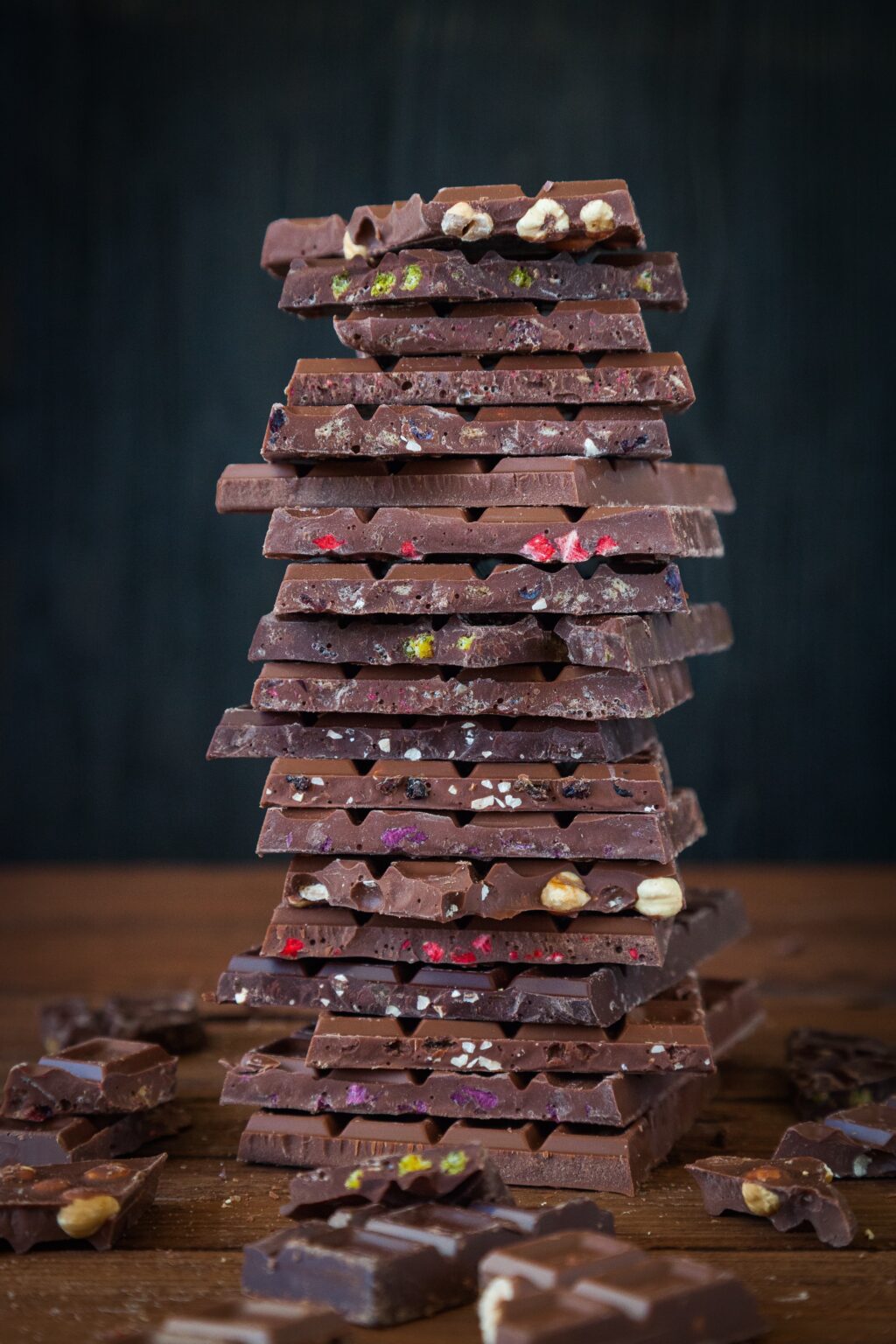
Chocolate, a beloved treat around the world, has a rich and complex history that spans thousands of years. From its origins in ancient Mesoamerica to its modern-day global popularity, chocolate has undergone significant transformations, both in how it is made and how it is perceived. This article explores the evolution of chocolate, highlighting key moments and innovations that have shaped its journey from a bitter ceremonial beverage to a symbol of luxury and indulgence.
Ancient Beginnings in Mesoamerica
The story of chocolate begins in the tropical rainforests of Central and South America, where the cacao tree, Theobroma cacao, is native. The Olmecs, one of the earliest Mesoamerican civilizations, are believed to be the first to domesticate the cacao plant around 1500 BCE. They used cacao to create a ceremonial drink, which was likely unsweetened and quite different from the chocolate we know today.
The Maya civilization, which flourished from 250 to 900 CE, expanded on the Olmec’s discovery and integrated cacao into their culture. They called it “kakaw” and drank it during religious rituals and social ceremonies. The Maya prepared their chocolate by fermenting, roasting, and grinding cacao seeds into a paste, which they mixed with water, chili peppers, and other spices.
The Aztec Influence
The Aztecs, who dominated Mesoamerica from the 14th to the 16th century, further elevated the status of cacao. They considered cacao beans so valuable that they were used as currency. The Aztecs prepared a drink called “xocoatl,” which was similarly bitter and spiced, believed to have energizing and aphrodisiac properties. The Aztec emperor Montezuma II reportedly consumed large quantities of this chocolate beverage, underscoring its esteemed status.
Chocolate’s Journey to Europe
Chocolate’s introduction to Europe began with the Spanish conquest of the Aztec Empire in the early 16th century. Hernán Cortés, the Spanish conquistador, brought cacao beans and chocolate-making knowledge back to Spain in 1528. Initially, chocolate retained its traditional preparation style, but soon, European tastes began to transform it.
Sweetening the Drink
Europeans added sugar, vanilla, and cinnamon to the bitter chocolate drink, creating a sweeter, milder beverage that quickly gained popularity among the Spanish aristocracy. By the 17th century, chocolate had spread throughout Europe, becoming a fashionable drink in royal courts and the emerging coffeehouses of England and France.
Industrialization and Chocolate’s Transformation
The Industrial Revolution in the 18th and 19th centuries brought significant advancements in chocolate production. Innovations in technology enabled mass production, making chocolate more accessible to the general public.
The Chocolate Bar
One of the most pivotal developments was the creation of the chocolate bar. In 1847, British chocolatier J.S. Fry & Sons discovered how to mix cocoa butter with cocoa powder and sugar to create a moldable paste, leading to the first solid chocolate bar. This innovation laid the groundwork for the chocolate candy industry.
Milk Chocolate and Swiss Contributions
In 1875, Swiss chocolatier Daniel Peter, with the help of Henri Nestlé, introduced milk chocolate by incorporating condensed milk into the chocolate mixture. This breakthrough created a creamier, sweeter product that appealed to an even broader audience. Swiss chocolatiers like Rodolphe Lindt further enhanced chocolate’s texture by inventing the conching process, which refined the chocolate and improved its flavor and smoothness.
Chocolate’s Global Expansion
As chocolate production increased, so did its global reach. By the 20th century, chocolate had become a staple in many cultures, evolving beyond a mere luxury item to a mass-market product.
World War II and Chocolate
During World War II, chocolate played a significant role in military rations, providing soldiers with a calorie-dense, portable energy source. The war also led to innovations in chocolate preservation and packaging, further cementing its place in global food culture.
Modern Chocolate Trends
Today, the chocolate industry continues to evolve, driven by consumer demand for diverse and ethically produced products. Artisanal chocolate makers emphasize high-quality ingredients and sustainable sourcing, while major brands experiment with flavors and formulations to cater to health-conscious consumers.
The Cultural Significance of Chocolate
Beyond its culinary uses, chocolate has maintained a strong cultural presence throughout its history. It is associated with love and romance, often exchanged as gifts on Valentine’s Day and used in desserts at celebrations and holidays worldwide.
Chocolate in Popular Culture
Chocolate has also left a significant mark on literature, film, and art. From Roald Dahl’s “Charlie and the Chocolate Factory” to the romantic allure of chocolates in films, it continues to capture the imagination and evoke a sense of wonder and indulgence.
Conclusion
The evolution of chocolate is a testament to human ingenuity and cultural exchange. From its ancient roots in Mesoamerica to its status as a global commodity, chocolate has transformed in ways that reflect technological advancements and changing tastes. As we look to the future, the story of chocolate continues to unfold, promising new chapters in this sweet and enduring history.
#ChatGPT assisted in the creation of this article.