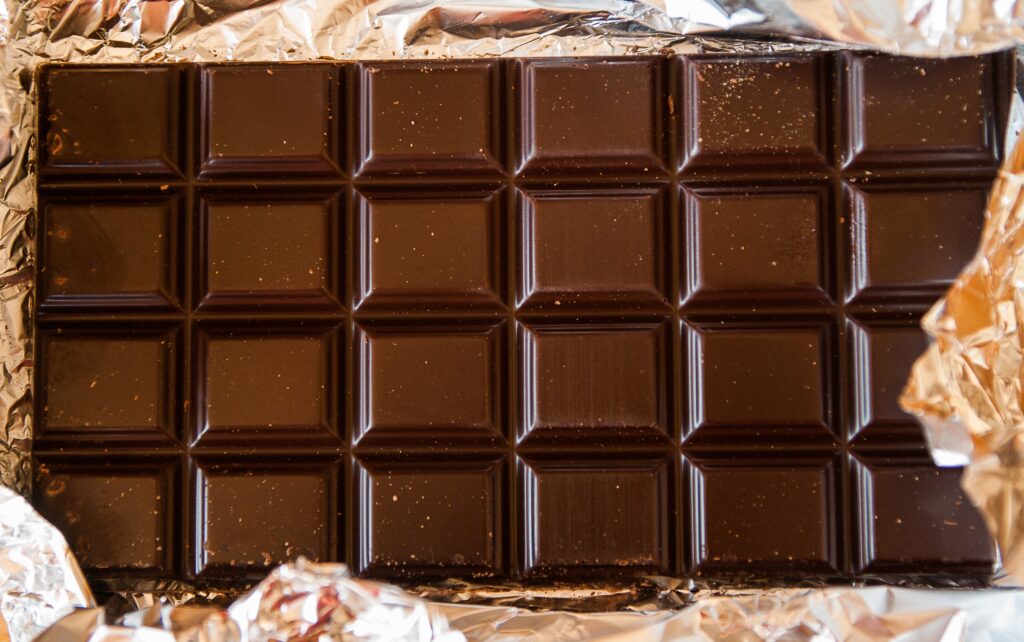
Chocolate, the decadent treat that is beloved worldwide, has a rich and storied history, particularly in the context of royal courts. Often considered a luxury, this confectionary delight has traveled through time, gracing the tables of monarchs and evolving into the universally adored sweet we know today. This article delves into the regal journey of chocolate, exploring its significance and evolution in royal households from ancient civilizations to modern times.
The Origins of Chocolate: A Sacred Beginning
Long before chocolate reached the palaces of Europe, it was revered by the ancient civilizations of Mesoamerica. The Olmecs, one of the earliest known civilizations in the region, were the first to discover the cacao plant around 1500 BCE. They considered cacao beans as gifts from the gods, using them in religious rituals and as currency.
The Mayans and Aztecs inherited this reverence for cacao, consuming it as a frothy, bitter beverage mixed with spices and called “xocolatl.” For the Aztecs, chocolate was reserved for the elite, including rulers, priests, and warriors, a symbol of wealth and power. The Aztec emperor Montezuma II was known to consume copious amounts of xocolatl daily, believing it provided him with energy and strength.
Chocolate Reaches Europe: A Royal Delight
Chocolate’s entry into European society was marked by its introduction to the Spanish court in the early 16th century. Hernán Cortés, the Spanish conquistador, is credited with bringing cacao beans to Spain after his conquest of the Aztec Empire. Initially met with skepticism due to its bitter taste, chocolate soon captured the fascination of the Spanish nobility.
The Spanish court began to sweeten the beverage with sugar, cinnamon, and vanilla, creating a decadent treat that quickly became a symbol of luxury. By the 17th century, chocolate had spread across Europe, becoming a fashionable indulgence among the aristocracy in countries like France, Italy, and England.
Chocolate in the French Court: A Symbol of Sophistication
In France, chocolate’s allure took on a new dimension under the reign of King Louis XIV. Introduced to the French court in the 17th century, chocolate quickly became a symbol of sophistication and opulence. The Sun King, as Louis XIV was known, was particularly fond of chocolate and often served it at lavish royal banquets.
The king’s sister-in-law, Marie-Thérèse, was instrumental in popularizing chocolate among the French nobility. Her Spanish heritage made her an avid consumer of chocolate, and she introduced it to the court as a fashionable drink. The French aristocracy soon followed suit, leading to the establishment of chocolate houses, where the elite would gather to enjoy the luxurious beverage.
Chocolate in the English Court: A Taste of Extravagance
Across the English Channel, chocolate found its way into the English court during the reign of King Charles II. Initially imported from Spain, chocolate was embraced by the English aristocracy for its exotic and indulgent qualities. By the 18th century, chocolate houses similar to those in France had emerged in London, becoming popular meeting places for the elite.
The English court’s fascination with chocolate was further cemented by the marriage of King George II to Queen Caroline of Ansbach. The queen was known for her love of chocolate, often enjoying it as a breakfast beverage. This royal endorsement spurred the popularity of chocolate among the upper echelons of English society.
Chocolate in Modern Royal Households: A Continued Tradition
Today, the tradition of chocolate in royal households continues, albeit in more diverse forms. Modern monarchs still enjoy chocolate, albeit with a contemporary twist that reflects today’s culinary innovations. Royal weddings, for instance, often feature elaborate chocolate creations, highlighting the continued prestige of this timeless treat.
In recent years, the British royal family has been known for their love of chocolate. Queen Elizabeth II reportedly indulged in chocolate daily, while Prince William and Catherine, Duchess of Cambridge, famously included a chocolate biscuit cake at their wedding in 2011. These modern royal preferences underscore chocolate’s enduring appeal as a symbol of luxury and celebration.
The Evolution of Chocolate: From Luxury to Everyday Indulgence
While chocolate’s regal journey began as a luxury reserved for the elite, its evolution has made it accessible to people from all walks of life. The industrial revolution in the 19th century played a significant role in this transformation, as innovations in production allowed for mass production and lower prices.
Companies like Cadbury, Nestlé, and Lindt capitalized on these advancements, creating chocolate bars and confections that became household staples. Despite its widespread availability, chocolate has never lost its association with luxury and indulgence, retaining its status as a cherished treat for special occasions.
Conclusion: Chocolate’s Lasting Legacy
The regal journey of chocolate from ancient Mesoamerican civilizations to modern royal households is a testament to its enduring allure and cultural significance. Once reserved for gods and kings, chocolate has become a beloved indulgence enjoyed by people worldwide, transcending social and cultural boundaries.
As we savor a piece of chocolate today, we partake in a rich history that spans centuries and continents. From its sacred origins to its status as a symbol of luxury, chocolate’s regal journey continues to captivate and delight, a sweet reminder of the timeless appeal of this beloved confection.
#ChatGPT assisted in the creation of this article.