Chocolate is a beloved indulgence enjoyed by millions around the world. Whether it’s a rich, dark chocolate bar, a creamy milk chocolate truffle, or a delicate white chocolate confection, preserving its freshness and flavor is key to savoring every bite. However, many chocolate enthusiasts are unaware of the factors that influence chocolate’s shelf life and how to maximize it effectively. In this article, we will dive deep into expert tips and strategies to keep your chocolate tasting its best for as long as possible.
Understanding Chocolate Composition and Shelf Life
Before delving into the techniques for extending chocolate’s shelf life, it’s essential to understand the basic components of chocolate. Chocolate is composed of cocoa solids, cocoa butter, sugar, and, in some cases, milk solids. These ingredients interact with environmental factors such as temperature, humidity, and light, affecting the chocolate’s texture, flavor, and shelf life.
The Role of Ingredients
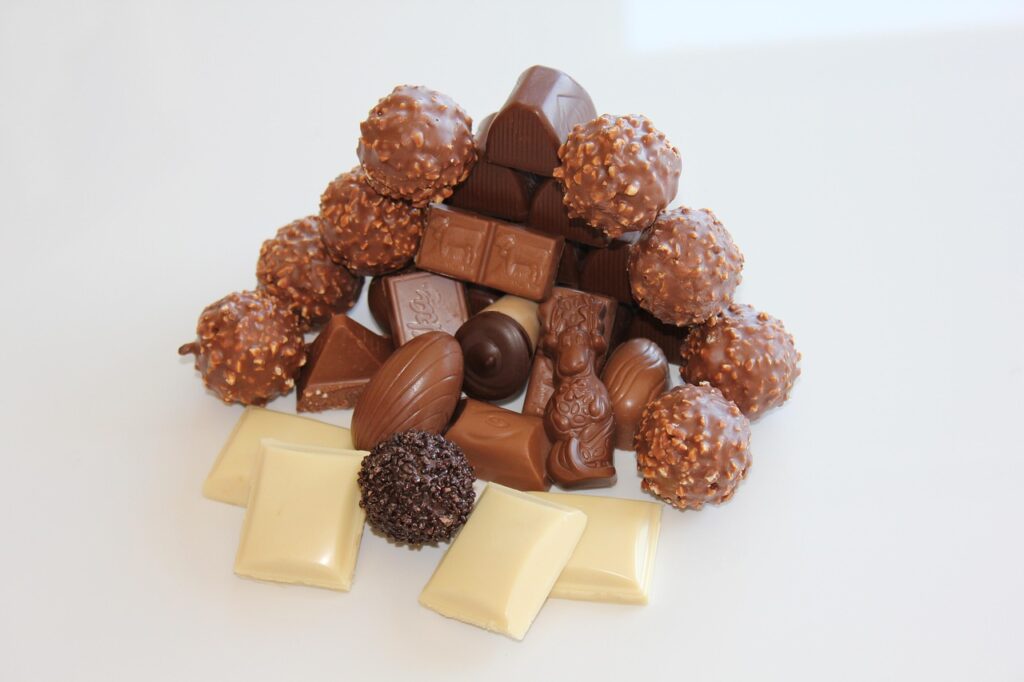
The shelf life of chocolate is influenced by its composition. Dark chocolate, with a higher cocoa content and less sugar and milk, typically has a longer shelf life compared to milk and white chocolate. The absence of milk solids in dark chocolate reduces the risk of spoilage, while milk and white chocolates are more susceptible to changes in flavor and texture over time.
The Importance of Proper Storage
Proper storage is crucial in preserving chocolate’s quality. Chocolate should be kept in a cool, dry, and dark place, away from direct sunlight, heat sources, and strong odors. The ideal storage temperature ranges between 60-70°F (15-21°C), with a humidity level below 55%. Fluctuations in temperature can cause chocolate to bloom, a condition where fat or sugar crystals rise to the surface, giving the chocolate a whitish appearance. Although bloom doesn’t affect the safety of chocolate, it can impact its texture and visual appeal.
Expert Tips to Maximize Chocolate Shelf Life
1. Store in a Cool, Dry Place
To maintain the quality of your chocolate, store it in a cool, dry place. Avoid placing chocolate near windows, ovens, or other heat sources. A pantry or cupboard away from direct light is ideal. If you live in a particularly warm climate, consider using an air-conditioned room to store your chocolate.
2. Use Airtight Containers
Once opened, chocolate should be stored in airtight containers to prevent exposure to humidity and odors. Airtight containers help maintain the chocolate’s aroma and flavor by minimizing contact with the air. If you don’t have airtight containers, tightly wrap the chocolate in aluminum foil or plastic wrap before placing it in a sealable bag.
3. Avoid Refrigeration
While it might be tempting to store chocolate in the refrigerator to prevent melting, refrigeration can actually do more harm than good. The cold temperature and high humidity of refrigerators can cause chocolate to absorb moisture and odors, leading to bloom and flavor changes. If refrigeration is necessary due to excessively high ambient temperatures, ensure the chocolate is tightly sealed and allow it to reach room temperature gradually before unwrapping to minimize condensation.
4. Freeze with Caution
Freezing chocolate is not generally recommended, but it can be a viable option for long-term storage. If you choose to freeze chocolate, wrap it tightly in layers of plastic wrap and aluminum foil, and place it in a freezer-safe bag. To thaw, transfer the chocolate to the refrigerator for a few hours before bringing it to room temperature. This gradual acclimatization helps prevent condensation and maintains the integrity of the chocolate.
5. Separate Strong Flavors
Chocolate can absorb odors from its surroundings, which can alter its flavor. To prevent this, store chocolate away from strong-smelling foods like spices, garlic, or onions. If you have different types of chocolate, consider storing them separately to prevent flavor transfer, especially if one variety has a more potent taste or aroma.
Signs of Chocolate Spoilage
Recognizing Bloom
Chocolate bloom is a common issue that occurs when chocolate is exposed to temperature fluctuations or moisture. Fat bloom appears as a dull, whitish film on the chocolate’s surface, while sugar bloom appears as grainy patches. Although bloom affects the appearance and texture, it doesn’t make the chocolate unsafe to eat. To fix bloomed chocolate, gently melt and re-temper it to restore its smooth, glossy finish.
Identifying Off-Flavors and Odors
Chocolate that has absorbed external odors or has developed off-flavors due to improper storage may not be enjoyable to eat. If the chocolate smells or tastes musty, sour, or otherwise unusual, it’s best to discard it. Always trust your senses when assessing the quality of chocolate, as they can provide valuable clues about its freshness.
Conclusion
Maximizing the shelf life of chocolate requires a combination of understanding its composition, recognizing environmental influences, and implementing proper storage techniques. By following the expert tips outlined in this article, you can ensure that your chocolate remains fresh, flavorful, and ready to enjoy whenever the craving strikes. Remember, the key to preserving chocolate’s quality lies in maintaining a stable, cool, and dry storage environment while protecting it from strong odors and temperature fluctuations. With these strategies in mind, you can savor the delightful taste of chocolate at its best for longer periods.
#ChatGPT assisted in the creation of this article.