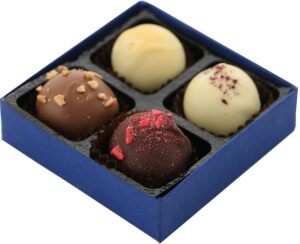
Chocolate is more than just a sweet treat; it is an art form that deserves to be appreciated in its full complexity. Just as wine connoisseurs savor their vintages, chocolate lovers can learn to discern the subtle nuances and flavors in each bite. This guide will walk you through the process of mastering the art of tasting chocolate, helping you to appreciate its richness, texture, and aroma like a true aficionado.
The Journey of Chocolate: From Bean to Bar
Before delving into tasting, it’s essential to understand the journey that chocolate takes from bean to bar. This journey begins with cacao beans, which are harvested, fermented, dried, and roasted. Each step in this process can influence the final flavor of the chocolate. Once roasted, the beans are ground into cocoa mass, which is then combined with other ingredients such as sugar, milk, and cocoa butter to create the finished product. Understanding this process will enhance your tasting experience, as you can appreciate the craftsmanship that goes into each bar.
Setting the Stage for Tasting
Choose the Right Environment
The environment in which you taste chocolate can significantly impact your experience. Choose a quiet, well-lit space free from strong odors and distractions. This will allow you to focus on the sensory experience without interference.
Prepare Your Palate
Before tasting, cleanse your palate with a neutral food such as a slice of apple or a piece of plain bread. This will help remove any lingering flavors from previous foods or beverages, allowing you to taste the chocolate in its purest form.
The Five Steps of Chocolate Tasting
1. Look
Begin your tasting by examining the chocolate. The appearance of a chocolate bar can tell you a lot about its quality. Look for a smooth, glossy surface which indicates proper tempering. The color can vary depending on the type of chocolate and its cocoa content, ranging from light brown to deep black.
2. Smell
Aroma is a crucial aspect of tasting chocolate. Break a piece of the chocolate bar and bring it up to your nose. Allow the scent to linger, and try to identify the individual notes. You may notice hints of vanilla, nuts, fruit, or even floral undertones, each contributing to the chocolate’s unique profile.
3. Snap
The sound of chocolate snapping is another indicator of quality. A well-tempered chocolate will produce a clean, sharp snap when broken. This indicates that the cocoa butter in the chocolate has been properly crystallized.
4. Taste
Finally, it’s time to taste the chocolate. Place a small piece on your tongue and let it melt slowly. Pay attention to the initial flavors that emerge, and notice how they develop and change over time. Take note of the texture as well, whether it’s smooth, grainy, or creamy. Try to identify the primary flavors such as sweet, bitter, or sour, and any secondary notes like spices, fruits, or earthiness.
5. Reflect
After tasting, take a moment to reflect on your experience. Consider the balance of flavors and how they complemented each other. Think about the texture and how it contributed to the overall enjoyment. Reflecting on your tasting experience will help you develop a deeper appreciation for chocolate and improve your ability to identify different characteristics in the future.
Understanding Chocolate Varieties
There are several types of chocolate, each offering a unique tasting experience. Understanding the differences can enhance your appreciation:
Dark Chocolate
Known for its intense and robust flavor, dark chocolate typically contains a high percentage of cocoa solids and little to no milk. It is often favored by purists who appreciate its complexity and depth.
Milk Chocolate
Milk chocolate is smoother and creamier than dark chocolate, thanks to the addition of milk solids. It is usually sweeter and has a more mellow flavor profile, making it a favorite among many.
White Chocolate
Although technically not chocolate since it contains no cocoa solids, white chocolate is made from cocoa butter, sugar, and milk. It has a rich, buttery flavor and a smooth texture.
Pairing Chocolate with Other Foods and Beverages
Just as with wine, chocolate can be paired with other foods and beverages to enhance its flavors. Here are some pairing suggestions to try:
Wine
Pairing chocolate with wine can be a delightful experience. Dark chocolate pairs well with robust red wines like Cabernet Sauvignon, while milk chocolate complements lighter reds or sweet dessert wines. White chocolate can be paired with a creamy Chardonnay or a fruity Moscato.
Cheese
Cheese and chocolate may seem like an unusual combination, but they can complement each other beautifully. Try pairing creamy cheeses like Brie with milk chocolate or strong, aged cheeses like Gouda with dark chocolate.
Nuts and Fruits
Nuts and fruits can provide a delightful contrast to the rich flavors of chocolate. Consider pairing dark chocolate with roasted almonds or hazelnuts, or try milk chocolate with dried apricots or raisins.
Conclusion
Mastering the art of tasting chocolate is a journey of discovery and appreciation. By taking the time to savor each piece and understand its unique characteristics, you can enhance your enjoyment and deepen your connection to this beloved treat. Whether you are a seasoned chocolate lover or new to the world of chocolate tasting, these tips will help you develop a more refined palate and a greater appreciation for the artistry behind every bar. So go ahead, indulge in the world of chocolate, and savor each moment to its fullest.
#ChatGPT assisted in the creation of this article.