
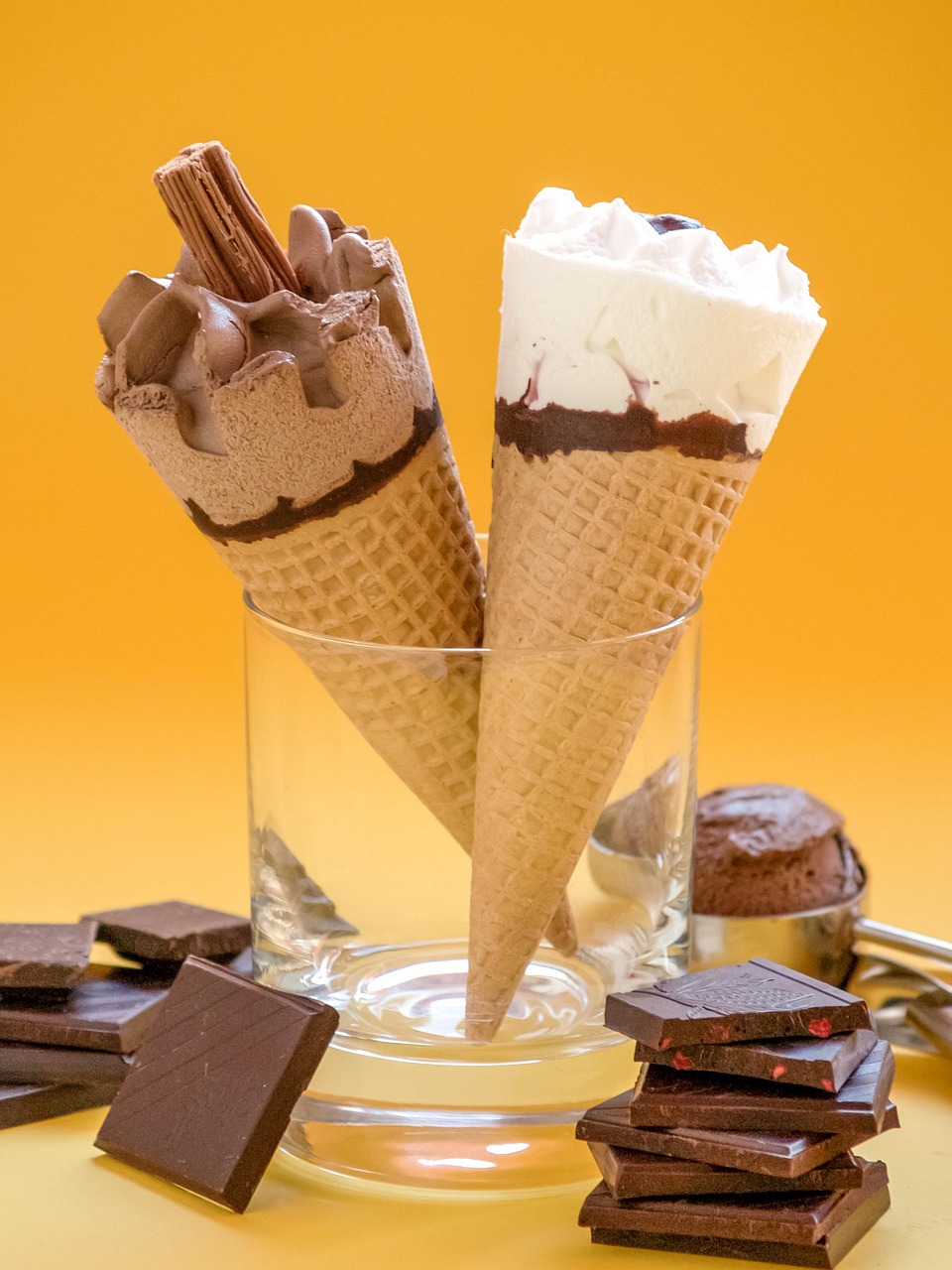
Chocolate tempering is a critical skill for anyone serious about working with chocolate, whether you’re a professional chocolatier or a home baking enthusiast. Proper tempering ensures that chocolate has a glossy finish, a satisfying snap, and a smooth texture. Without it, chocolate can appear dull and have a grainy texture. This guide will walk you through the process of mastering chocolate tempering to achieve perfect results every time.
Why Is Tempering Important?
Tempering chocolate is essential because it stabilizes the cocoa butter crystals within the chocolate. The process involves heating and cooling the chocolate to precise temperatures, promoting the formation of stable crystals. This ensures that the chocolate hardens properly, maintains a shiny appearance, and retains its texture over time.
Understanding Chocolate Types
Before diving into tempering techniques, it’s important to understand the different types of chocolate and their properties. The main categories include dark, milk, and white chocolate. Each type contains varying amounts of cocoa solids, cocoa butter, and milk solids, influencing their melting and tempering points.
Dark Chocolate
Dark chocolate contains a high percentage of cocoa solids and cocoa butter, making it the most straightforward type to temper. It typically has a rich, intense flavor, and its high cocoa content means it requires precise temperature control during tempering.
Milk Chocolate
Milk chocolate includes milk solids, which lower its melting point and make it slightly more challenging to temper than dark chocolate. It has a sweeter, creamier flavor and requires careful attention to temperature changes.
White Chocolate
White chocolate contains cocoa butter but no cocoa solids, giving it a sweet, buttery flavor. It has the lowest melting point of the three types and can be the most difficult to temper due to its sensitivity to heat.
Essential Equipment for Tempering
To achieve perfect tempering, having the right equipment is crucial. Here are some tools you’ll need:
– **Double Boiler or Microwave:** For gently melting chocolate without scorching it.
– **Thermometer:** An accurate digital thermometer is essential for monitoring chocolate temperatures.
– **Spatula:** A heat-resistant silicone spatula for stirring.
– **Marble Slab (Optional):** Useful for the tabling method, which involves cooling chocolate on a marble surface.
– **Bowl and Whisk:** For mixing and cooling chocolate in the seeding method.
Tempering Methods
There are several methods for tempering chocolate, each with its own advantages. We’ll focus on the most popular and effective techniques: seeding, tabling, and microwave tempering.
Seeding Method
The seeding method is one of the most user-friendly ways to temper chocolate. It involves melting chocolate and then adding solid chocolate pieces to help stabilize the temperature and promote the formation of stable crystals.
1. **Melt Chocolate:** Begin by melting two-thirds of your chocolate over a double boiler or in the microwave, stirring frequently to prevent burning. Heat until it reaches the desired temperature specific to the type of chocolate you are using:
– Dark Chocolate: 115°F (46°C)
– Milk Chocolate: 110°F (43°C)
– White Chocolate: 105°F (40°C)
2. **Add Seed Chocolate:** Remove the melted chocolate from the heat and gradually add the remaining one-third of solid, finely chopped chocolate (the seed). Stir continuously until the chocolate cools to the proper working temperature:
– Dark Chocolate: 88-90°F (31-32°C)
– Milk Chocolate: 86-88°F (30-31°C)
– White Chocolate: 82-84°F (28-29°C)
3. **Test and Use:** Perform a simple test by spreading a small amount of chocolate on a piece of parchment paper. If it sets quickly with a glossy finish, it’s properly tempered and ready for use.
Tabling Method
The tabling method is a traditional technique used by professional chocolatiers. It involves cooling melted chocolate on a marble slab to form stable crystals.
1. **Melt Chocolate:** Melt your chocolate to the appropriate initial melting temperature, as listed above.
2. **Cool on Marble:** Pour two-thirds of the melted chocolate onto a clean, dry marble slab. Use a spatula or scraper to spread and cool the chocolate, moving it around to encourage even cooling.
3. **Recombine:** Once the chocolate reaches the working temperature, scrape it back into the bowl with the remaining warm chocolate. Mix thoroughly to ensure even distribution of stable crystals.
4. **Test and Use:** Perform a test as described in the seeding method.
Microwave Tempering
For small batches or quick tempering, the microwave method is convenient and effective.
1. **Chop Chocolate:** Finely chop your chocolate to ensure even melting.
2. **Microwave in Intervals:** Place the chocolate in a microwave-safe bowl and heat in short intervals (15-30 seconds). Stir between each interval to distribute heat evenly and prevent overheating.
3. **Adjust Temperature:** Once the chocolate is mostly melted, use a thermometer to check the temperature. If needed, allow the chocolate to cool to the working temperature range by stirring continuously.
Common Tempering Challenges and Solutions
Even experienced chocolatiers encounter challenges during tempering. Here are some common issues and how to address them:
Overheating
Overheating chocolate can cause it to lose its temper. If this happens, start the process over by reheating the chocolate to the initial melting temperature and cooling it back down to the working temperature.
Undercooling
If chocolate doesn’t cool enough, stable crystals won’t form, resulting in a dull appearance. Ensure you reach the appropriate working temperature by stirring or spreading on a marble slab.
Humidity
Humidity can cause chocolate to seize or develop a grainy texture. Work in a dry environment and avoid introducing water or steam during the melting process.
Storing Tempered Chocolate
Proper storage is essential for maintaining the quality of tempered chocolate. Store chocolate in a cool, dry place away from direct sunlight and strong odors. Ideally, keep it in an airtight container to prevent moisture absorption.
Conclusion
Mastering chocolate tempering is a valuable skill that opens the door to creating professional-quality chocolate confections at home. By understanding the properties of different chocolate types and employing the right techniques, you can achieve perfectly tempered chocolate with a glossy finish and satisfying snap. Practice makes perfect, so don’t be discouraged by initial challenges. With patience and persistence, you’ll be well on your way to becoming a chocolate tempering expert.
#ChatGPT assisted in the creation of this article.