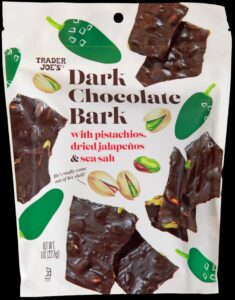

Chocolate is a universally beloved treat, whether you prefer it dark, milk, or white. Its rich and decadent flavor can turn an ordinary day into a celebration. However, to fully enjoy its luxurious taste and texture, it’s essential to store chocolate properly. Improper storage can lead to a range of issues, from bloom to spoilage, which can ruin your chocolate experience. This article delves into the nuances of chocolate storage, offering expert tips to ensure your treats remain perfect from the moment you purchase them until you’re ready to indulge.
Understanding Chocolate’s Composition
Before diving into storage techniques, it’s crucial to understand what chocolate is made of. Chocolate is a delicate blend of cocoa solids, cocoa butter, sugar, and sometimes milk. Each of these components reacts differently to environmental factors such as temperature, humidity, and light. Cocoa butter, in particular, is sensitive to temperature changes, which can cause it to separate and create an unappealing white coating on the chocolate—a phenomenon known as bloom.
The Enemies of Chocolate
Temperature
Chocolate’s ideal storage temperature is between 60°F and 70°F (15°C to 21°C). Temperatures above or below this range can lead to several problems. High temperatures cause the cocoa butter to melt, leading to bloom, while low temperatures can cause sugar bloom, where moisture causes the sugar to crystallize on the surface. Both types of bloom affect the texture and appearance of chocolate but not its safety. However, they do diminish the aesthetic and mouthfeel, which are crucial for a quality chocolate experience.
Humidity
Humidity is another critical factor in chocolate storage. High humidity levels can cause sugar bloom, as moisture settles on the chocolate’s surface and interacts with the sugar. Ideally, chocolate should be stored in a location with relative humidity of less than 50%. This helps preserve the chocolate’s texture and prevents any mold or spoilage.
Light
Chocolate should be kept away from direct sunlight and artificial light. Light exposure can cause the chocolate to heat unevenly, leading to bloom and altering the flavor profile. Additionally, UV light can degrade the chocolate’s components, stripping away its rich taste and aroma.
Best Practices for Storing Chocolate
Choose the Right Container
Storing chocolate in an airtight container helps protect it from environmental factors such as humidity and odors. Chocolate can easily absorb surrounding odors, which can alter its taste. Therefore, it’s crucial to store it away from strong-smelling foods like onions, garlic, or spices.
Finding the Perfect Spot
The pantry or a cupboard away from the stove or any heat sources is often the best place for chocolate storage. These locations generally maintain a consistent temperature and are free from direct light exposure. If you live in a particularly warm climate, you might consider storing chocolate in a wine cooler, which keeps a steady, cool temperature without the harsh effects of refrigeration.
Refrigeration: A Last Resort
While refrigeration is generally not recommended due to the risk of sugar bloom and absorption of odors, it may be necessary in extremely hot climates. If you must refrigerate chocolate, take extra precautions: place it in an airtight container and wrap it in plastic wrap or aluminum foil to minimize moisture exposure. When ready to consume, allow the chocolate to reach room temperature slowly to prevent condensation from forming on the surface.
Freezing Chocolate: Proceed with Caution
Freezing chocolate is not ideal but can be done if you need to store it for an extended period. To freeze chocolate properly, wrap it tightly in plastic wrap and place it in an airtight container. When you decide to use the frozen chocolate, move it to the refrigerator for several hours before bringing it to room temperature. This gradual process helps prevent any condensation on the chocolate, preserving its texture and flavor.
Recognizing Quality Chocolate
Proper storage is essential, but starting with quality chocolate makes a significant difference. Good chocolate will have a glossy shine, a smooth texture, and a rich, complex aroma. It should break cleanly with a snap. Investing in high-quality chocolate ensures a better flavor experience and makes the efforts to store it correctly even more rewarding.
Conclusion
Mastering chocolate storage involves understanding its composition and the environmental factors that can affect it. By managing temperature, humidity, and light exposure and choosing the right storage solutions, you can keep your chocolate treats in peak condition. Whether it’s a luxury gift or a personal indulgence, properly stored chocolate will always deliver the exceptional taste and texture that makes it such a beloved treat worldwide. With these tips, you’re well-equipped to preserve your chocolate’s perfection until it’s time to savor every delicious bite.
#ChatGPT assisted in the creation of this article.