Discover the Fascinating Process of Chocolate Making
Chocolate, a universal delight that transcends age and culture, has captivated the senses of people around the world for centuries. While the end product is a luscious treat, the journey from cacao bean to chocolate bar is a complex and fascinating process. This intricate dance of science, art, and craftsmanship is what transforms simple ingredients into the beloved chocolate that so many enjoy. In this article, we will explore the step-by-step process of chocolate making, uncovering the secrets behind its irresistible charm.
From Bean to Bar: The Journey Begins
The journey of chocolate begins with the humble cacao tree, scientifically known as Theobroma cacao. Native to the tropical regions of Central and South America, the cacao tree thrives in hot, humid environments. It produces cacao pods, which contain the precious cacao beans. These beans are the key ingredient in chocolate and are harvested by hand to ensure quality.
Harvesting and Fermentation
The first step in chocolate making is the careful harvesting of cacao pods. Farmers use machetes or knives to cut the ripe pods from the tree. Once harvested, the pods are opened to reveal the cacao beans encased in a sweet, mucilaginous pulp. The beans and pulp are then placed in shallow containers and covered with banana leaves to begin the fermentation process.
Fermentation is a crucial step that lasts between two to seven days, depending on the desired flavor profile. During this time, the natural sugars in the pulp ferment, creating heat and causing the temperature to rise. This process helps develop the complex flavors that characterize chocolate and reduces the bitterness of the raw cacao beans.
Drying and Roasting
After fermentation, the beans are spread out under the sun to dry. This step is essential to prevent mold growth and to prepare the beans for roasting. Drying typically takes one to two weeks. Once dried, the beans are roasted at temperatures ranging from 250°F to 350°F. Roasting further enhances the beans’ flavor and aroma, unlocking the rich, chocolatey notes that we all love.
Refining the Flavor: From Beans to Liquor
With the beans roasted to perfection, the next phase involves refining and transforming the beans into chocolate liquor, a critical step in the chocolate-making process.
Cracking and Winnowing
The roasted beans are cracked open to separate the cacao nibs from the husks. This process, known as winnowing, involves using machines or manual methods to blow or sift away the lighter husks, leaving behind the denser nibs. These nibs are the essence of chocolate, containing all the flavor and fat needed to create chocolate liquor.
Milling and Grinding
The nibs are then ground into a thick paste called chocolate liquor, despite containing no alcohol. This process generates heat, melting the cocoa butter in the nibs and transforming them into a liquid state. The chocolate liquor can be further refined to make different types of chocolate products, such as cocoa powder, dark chocolate, or milk chocolate.
The Art of Chocolate Conching and Tempering
Once chocolate liquor is produced, it undergoes two more key processes—conching and tempering—that perfect its texture and flavor.
Conching
Conching is a critical step that involves continuously mixing and aerating the chocolate liquor. This process can last anywhere from a few hours to several days, depending on the desired quality of the final product. Conching helps to smooth out the texture and develop the chocolate’s flavor by allowing volatile acids to evaporate and integrating the cocoa butter evenly.
Tempering
Tempering is the process of carefully cooling and reheating chocolate to stabilize the cocoa butter crystals. This ensures that the chocolate has a glossy finish, a satisfying snap, and a smooth mouthfeel. Proper tempering prevents the chocolate from developing a dull, grayish bloom over time and maintains its firmness at room temperature.
Crafting the Final Product: Molding, Cooling, and Packaging
With the chocolate tempered to perfection, the final steps involve molding, cooling, and packaging to create the finished product we know and love.
Molding and Cooling
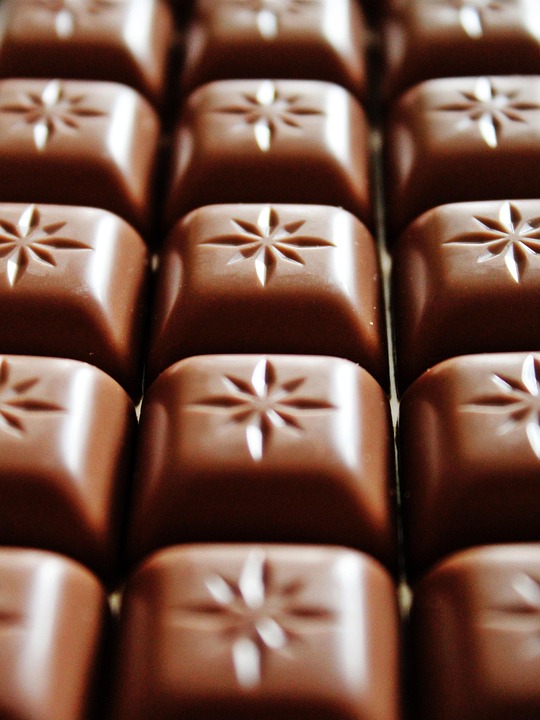
The tempered chocolate is poured into molds, which can be shaped into bars, truffles, or other delightful forms. The molds are then gently tapped to remove any air bubbles and ensure even distribution. Once molded, the chocolate is cooled to allow it to set properly, solidifying into the desired shape.
Packaging
After cooling, the chocolate is carefully removed from the molds and packaged. Packaging not only protects the chocolate but also serves as an opportunity for branding and artistic expression. Many chocolatiers take great pride in designing beautiful packaging that reflects the quality and uniqueness of their products.
The Science and Art Behind Chocolate Making
The process of chocolate making is a harmonious blend of science and art. Each step, from fermentation to tempering, requires precision and expertise to achieve the perfect balance of flavor, texture, and appearance. The art of chocolate making involves a deep understanding of the raw materials and an appreciation for the intricate chemical reactions that occur at each stage.
The Role of Flavor Development
Flavor development is a critical aspect of chocolate making. From the type of cacao beans used to the length of fermentation and roasting, each decision impacts the final flavor profile. Different regions produce beans with unique characteristics, allowing chocolatiers to create distinct and diverse chocolates.
The Importance of Craftsmanship
Craftsmanship is at the heart of chocolate making. Skilled chocolatiers bring their expertise and creativity to each batch, experimenting with flavors, textures, and techniques to produce exceptional products. This dedication to craftsmanship is what sets artisanal chocolate apart from mass-produced options.
Conclusion: The Magic of Chocolate
The journey from cacao bean to chocolate bar is a captivating process that combines science, art, and passion. Each step in chocolate making contributes to the final product’s rich flavors, smooth texture, and visual allure. Understanding the intricacies of this process allows us to appreciate the skill and dedication required to create the chocolate we enjoy.
Whether indulging in a simple dark chocolate bar or savoring a complex truffle, every bite is a testament to the fascinating craft of chocolate making. As we unwrap a piece of chocolate, we are not just enjoying a treat; we are experiencing the culmination of nature’s bounty and human ingenuity—a true celebration of flavor and craftsmanship.
“`
#ChatGPT assisted in the creation of this article.