Ancient Civilizations’ Chocolate: A Delicious Legacy
The rich, luscious taste of chocolate is a delight that transcends borders, languages, and cultures. However, its journey from ancient civilizations to modern-day confections is a story steeped in history, tradition, and transformation. This article explores the fascinating legacy of chocolate, tracing its origins among ancient civilizations and examining how they shaped the chocolate we know and love today.
The Origins of Chocolate in Mesoamerica
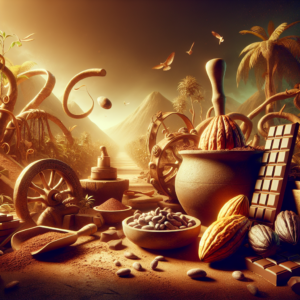
Chocolate’s history begins in the lush rainforests of Mesoamerica, a region that spans present-day Mexico, Belize, Guatemala, El Salvador, Honduras, Nicaragua, and Costa Rica. It was here, over 3,000 years ago, that the cacao tree (Theobroma cacao) was first cultivated. The Olmecs, one of the earliest known Mesoamerican civilizations, are believed to have been the first to domesticate the cacao plant, setting the stage for chocolate’s enduring legacy.
The Olmecs: Pioneers of Cacao Cultivation
The Olmecs, who flourished between 1500 BCE and 400 BCE, are often regarded as the “mother culture” of Mesoamerica. Though much about their civilization remains shrouded in mystery, archaeological evidence suggests that they were among the first to recognize the potential of the cacao plant. The Olmecs likely prepared a beverage from cacao, using it for ceremonial purposes and possibly even as a form of currency. This early use of cacao laid the groundwork for subsequent Mesoamerican cultures, who would refine and expand upon the Olmecs’ innovations.
The Maya: Masters of Chocolate
Following the Olmecs, the Maya civilization, which reached its peak between 250 CE and 900 CE, became the true architects of chocolate’s cultural significance. The Maya had a deep appreciation for cacao, which they referred to as “ka-ka-w.” They consumed it primarily as a bitter beverage, often mixing it with water, chili peppers, and other spices to create a frothy, invigorating drink.
For the Maya, chocolate was more than just a culinary delight; it was a symbol of status and a sacred offering to the gods. Cacao beans were highly valued, serving as a form of currency and playing a central role in religious rituals and ceremonies. The Maya believed that cacao was a divine gift, bestowed upon them by the gods, and they incorporated it into various aspects of their daily lives, from birth to death.
The Aztecs: The Chocolate Economy
The Aztecs, who thrived in central Mexico from the 14th to the 16th century, inherited and expanded upon the chocolate traditions of their predecessors. They called their chocolate beverage “xocolatl,” from which the modern word “chocolate” is derived. Like the Maya, the Aztecs consumed chocolate as a bitter drink, often enhanced with vanilla, annatto, and other flavorings.
In Aztec society, chocolate was considered a luxury reserved for the elite, including the nobility, warriors, and priests. The cacao bean was so valuable that it was used as a form of currency; taxes and tribute were often paid in cacao. The Aztecs believed that chocolate had energizing and aphrodisiac properties, and it was reputedly favored by their emperor, Montezuma II, who is said to have consumed large quantities of it daily.
Chocolate’s Journey Across the Atlantic
The arrival of European explorers in the 15th and 16th centuries marked a turning point in chocolate’s history. When the Spanish conquistadors, led by Hernán Cortés, encountered the Aztecs, they were introduced to the exotic drink of xocolatl. Initially met with skepticism due to its bitter taste, chocolate soon captured the imagination of Europe, beginning a transformation that would spread its allure far and wide.
The Spanish Transformation
Upon returning to Spain, Cortés brought cacao beans and the knowledge of chocolate preparation with him. The Spanish adapted the Aztec beverage by adding sugar, cinnamon, and other spices to suit European palates. This sweetened version of chocolate quickly became popular among the Spanish nobility, and its production and consumption remained a closely guarded secret for several decades.
As chocolate made its way across Europe, it retained its association with luxury and prestige. It was initially consumed as a beverage, served in ornate cups and often accompanied by elaborate rituals. The introduction of sugar transformed chocolate from a bitter, ceremonial drink into a sweet indulgence, broadening its appeal and setting the stage for its global proliferation.
Chocolate’s Expansion Across Europe
By the 17th century, chocolate had spread beyond Spain, captivating the courts of France, Italy, and England. In France, it became particularly fashionable among the aristocracy, with the court of Louis XIV famously indulging in chocolate as a symbol of sophistication and opulence. In England, the first chocolate houses opened, offering a social setting where the elite could gather to enjoy the exotic beverage.
The Industrial Revolution of the 18th and 19th centuries further transformed chocolate, transitioning it from a luxury item to a mass-produced commodity. Innovations such as the invention of the cocoa press by Dutch chemist Coenraad van Houten and the development of milk chocolate by Swiss chocolatier Daniel Peter revolutionized chocolate production, making it more accessible to the general public.
The Enduring Legacy of Ancient Chocolate
Today, chocolate is a ubiquitous treat enjoyed by people all over the world. From artisanal chocolates crafted by master chocolatiers to mass-produced candy bars, the legacy of ancient civilizations’ chocolate continues to shape our culinary landscape. Yet, the influence of the Olmecs, Maya, and Aztecs extends beyond mere taste; it encompasses cultural, economic, and spiritual dimensions that continue to resonate in contemporary society.
Cultural Significance and Modern Appreciation
The cultural significance of chocolate is evident in the way it has been woven into the fabric of modern celebrations and traditions. Valentine’s Day, Easter, and Christmas all feature chocolate prominently, echoing the ceremonial and ritualistic uses of cacao in ancient Mesoamerica. Additionally, the resurgence of interest in dark chocolate, artisanal products, and ethical sourcing reflects a growing appreciation for chocolate’s historical and cultural roots.
Modern chocolate enthusiasts often seek to reconnect with the traditional methods of cacao cultivation and chocolate-making. This interest is reflected in the rise of bean-to-bar chocolate makers, who emphasize transparency, quality, and sustainability in their production processes. By embracing traditional techniques and supporting fair trade practices, these artisans honor the legacy of the ancient civilizations that first unlocked the potential of the cacao bean.
Economic Impact and Ethical Considerations
The economic impact of chocolate is substantial, with the global chocolate market valued at billions of dollars. However, this economic success is not without its challenges. The chocolate industry faces ethical considerations, including issues related to labor practices, environmental sustainability, and fair compensation for cacao farmers.
Efforts to address these challenges include initiatives to promote fair trade, organic certification, and sustainable farming practices. By fostering a more equitable and environmentally responsible chocolate industry, stakeholders aim to preserve the legacy of chocolate for future generations while honoring the contributions of the ancient civilizations that first cultivated and cherished cacao.
Conclusion
The delicious legacy of ancient civilizations’ chocolate is a testament to the enduring allure of this remarkable treat. From the sacred rituals of the Maya to the opulent courts of Europe, chocolate’s journey through history is a rich tapestry of cultural exchange and transformation. As we savor each bite of chocolate today, we are not only indulging in its delectable flavors but also partaking in a tradition that spans millennia.
By understanding and appreciating the origins of chocolate, we can better appreciate its role in shaping our global culture and economy. In doing so, we honor the legacy of the ancient civilizations that first unlocked the secrets of the cacao bean, ensuring that their delicious legacy continues to inspire and delight chocolate lovers around the world.
#ChatGPT assisted in the creation of this article.