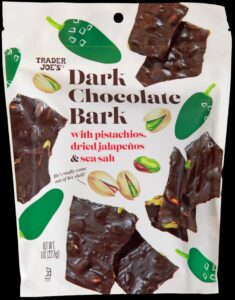

It is rare when indulgence and nutrition align, but dark chocolate continues to hold a unique title in the culinary world: a genuine treat that comes backed by serious science.
In a recent overview examining the proven and emerging health benefits of dark chocolate, nutrition researchers broke down the compounds inside cacao beans that make dark chocolate much more than just an everyday sweet.
The Powerhouse Compound: Cocoa Flavanols
The primary engine behind dark chocolate’s health reputation is its concentration of flavanols—a type of polyphenol antioxidant naturally abundant in the seeds of the cacao tree (Theobroma cacao).
These active plant compounds deliver several evidence-backed benefits:
- Cardiovascular Support & Blood Flow: Flavanols signal the endothelial lining of blood vessels to produce nitric oxide (NO). Nitric oxide helps relax and widen arterial walls, improving circulation and helping maintain healthy blood pressure levels.
- Cellular Defense Against Oxidative Stress: Pure cocoa packs one of the highest antioxidant concentrations in the plant kingdom, helping neutralize free radicals and protecting LDL cholesterol from oxidative damage.
- Brain Function & Mood: Improved cerebral blood flow is linked to enhanced focus, memory, and cognitive reaction times. In addition, cacao contains trace amounts of theobromine and compounds that support serotonin and endorphin release.
- Essential Mineral Density: Quality dark chocolate is a surprisingly potent source of essential trace minerals, including magnesium, copper, iron, zinc, and manganese.
The Cacao Rule: Why Percentage Matters
Not all chocolate bars deliver the same nutritional punch.
During typical confectionery processing—especially alkalization or “Dutch processing”—a significant portion of natural flavanols can be stripped away to reduce bitterness. To reap the benefits highlighted in scientific research:
- Target 70% Cacao or Higher: The higher the cocoa percentage, the denser the concentration of polyphenols and minerals, and the lower the added sugar content.
- Watch the Ingredient List: Look for bars that list cocoa mass, cocoa beans, or chocolate liquor as the first ingredient, rather than sugar or hydrogenated vegetable oils.
A Daily Ritual, Not a Vitamin
While dark chocolate earns its superfood reputation honestly, nutritionists stress that it is still a calorie-dense treat containing natural cocoa butter and sugar. An ounce or two (about 20–30 grams) of high-percentage dark chocolate a day is all it takes to enjoy the benefits without overdoing it.
To explore the clinical studies, nutrient charts, and daily recommendations in detail, read the full breakdown in the original Health.com report.