
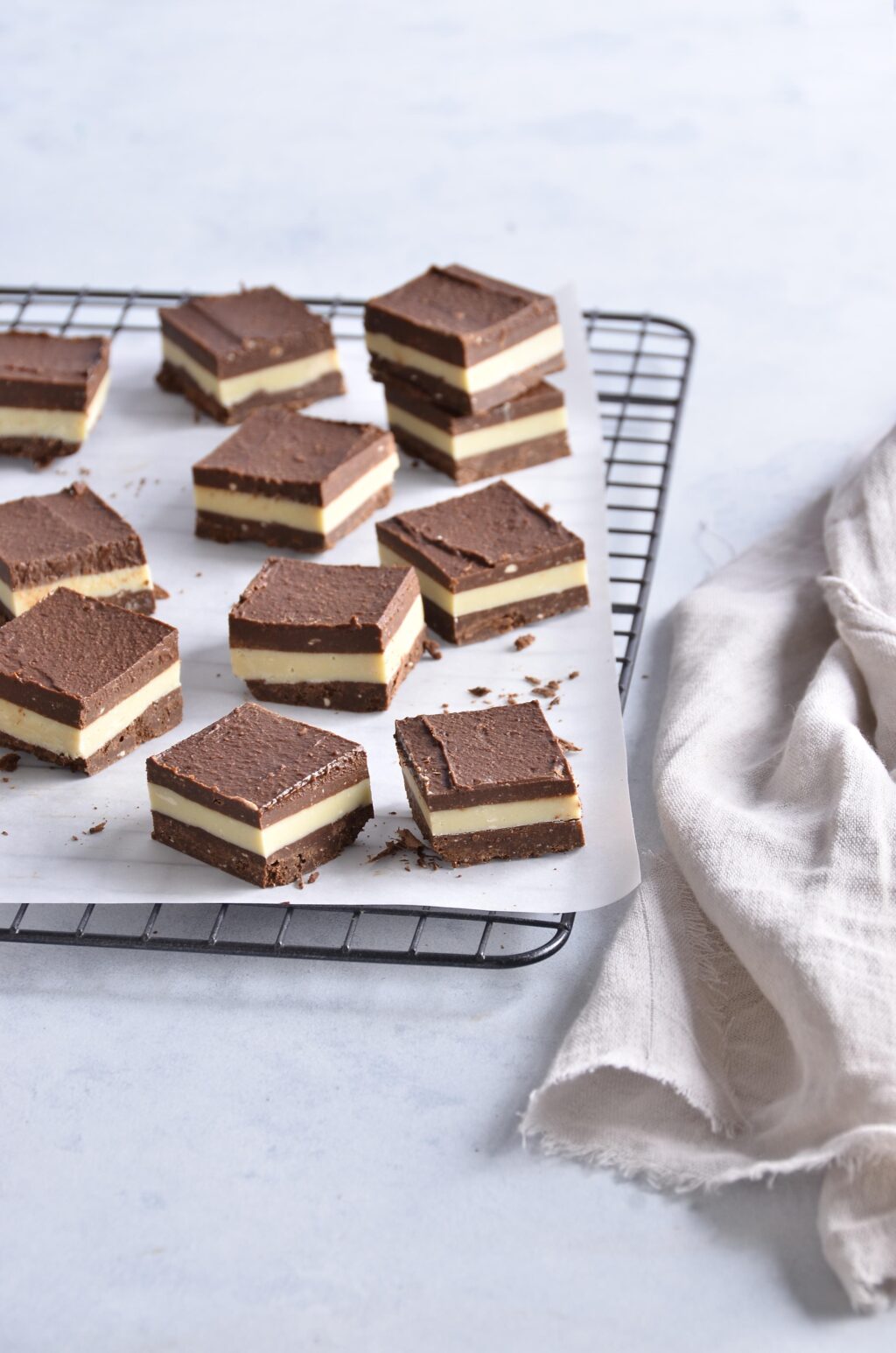
Chocolate is a universally adored treat, enjoyed by people of all ages across the globe. However, many myths surround the topic of chocolate expiration, leading to unnecessary waste and confusion. This article aims to debunk these myths, providing accurate information to help you better understand the shelf life of chocolate and how to store it effectively.
Myth 1: Chocolate Never Expires
One of the most common misconceptions is that chocolate never expires. While it is true that chocolate has a relatively long shelf life compared to other food items, it is not immune to the effects of time. Chocolate can indeed go bad, losing its quality and flavor.
Understanding Chocolate’s Shelf Life
The shelf life of chocolate depends on several factors, including its type and quality. Dark chocolate typically lasts longer than milk or white chocolate due to its higher cocoa content and lower dairy content. Generally, dark chocolate can last up to two years if stored properly, while milk and white chocolate have a shorter shelf life of around one year.
Signs of Expired Chocolate
Expired chocolate may exhibit several signs, such as a dull appearance, crumbly texture, or an off smell. While it may not necessarily make you sick, expired chocolate is less enjoyable and lacks the rich flavor and smooth texture of fresh chocolate.
Myth 2: Bloomed Chocolate is Spoiled
Another widespread myth is that chocolate with a white or grayish coating, known as bloom, is spoiled and unsafe to eat. This is not true. Chocolate bloom is a common phenomenon that occurs when chocolate is improperly stored, leading to changes in its appearance and texture.
Types of Chocolate Bloom
There are two types of chocolate bloom: sugar bloom and fat bloom. Sugar bloom occurs when moisture comes into contact with the chocolate, causing the sugar to dissolve and recrystallize on the surface. Fat bloom, on the other hand, results from temperature fluctuations that cause the cocoa butter to separate and rise to the surface.
Is Bloomed Chocolate Safe to Eat?
Despite its unappealing appearance, bloomed chocolate is safe to eat. The blooming process does not affect the safety of the chocolate but may alter its texture and flavor. To restore bloomed chocolate, you can melt it down and temper it, returning it to its original state.
Myth 3: Refrigerating Chocolate Extends Its Shelf Life
Many people believe that storing chocolate in the refrigerator will help preserve its freshness. However, this is a myth that can actually harm the quality of your chocolate.
Why Refrigeration is Not Ideal
Chocolate is sensitive to temperature and humidity changes, both of which can cause bloom. Refrigeration exposes chocolate to moisture, leading to sugar bloom. Furthermore, chocolate can absorb odors from other foods in the refrigerator, affecting its flavor.
Proper Storage Methods
The best way to store chocolate is in a cool, dry place, away from direct sunlight and strong odors. An airtight container in a pantry or cupboard is ideal. If you live in a particularly warm climate and must refrigerate chocolate, wrap it tightly in plastic wrap or foil to minimize exposure to moisture and odors.
Myth 4: All Chocolates Have the Same Shelf Life
It is a common misconception that all chocolates have the same shelf life. In reality, the longevity of chocolate varies depending on its ingredients and processing.
Factors Affecting Shelf Life
The type of chocolate, its cocoa content, and any added ingredients all influence its shelf life. Dark chocolate, with its high cocoa content and absence of milk solids, generally lasts longer than milk or white chocolate. Additionally, chocolates with nuts, fruits, or other fillings may have a shorter shelf life due to the perishability of these ingredients.
Myth 5: Expired Chocolate is Unsafe to Eat
Many people believe that eating expired chocolate can lead to foodborne illness. While it is true that expired chocolate is not at its best quality, it is generally safe to consume.
Understanding Expiry Dates
Chocolate typically comes with a “best by” date rather than an expiration date. The “best by” date indicates the period during which the chocolate is expected to remain at its peak quality. Beyond this date, the chocolate may lose some of its flavor and texture but is not necessarily unsafe to eat.
Using Expired Chocolate
If you have chocolate that is past its “best by” date, consider using it in recipes where freshness is less critical. Baking, melting, or using it in sauces are excellent ways to utilize chocolate that may not be ideal for direct consumption.
Conclusion
In conclusion, understanding the real factors that affect chocolate’s shelf life can save you from unnecessary waste and enhance your chocolate enjoyment. Chocolate does not last forever, but with proper storage and handling, you can extend its life and savor its rich flavors for longer. Bloomed chocolate is not a lost cause, and refrigerating chocolate is not a one-size-fits-all solution. By debunking these common myths, you can make more informed decisions about purchasing, storing, and consuming chocolate.
#ChatGPT assisted in the creation of this article.