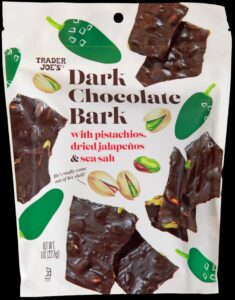

Understanding chocolate labels can be a daunting task. With a plethora of terms and ingredients listed on the packaging, it’s easy to feel overwhelmed. However, mastering the art of decoding these labels is crucial for chocolate enthusiasts and conscious consumers alike. This article will guide you through the intricate world of chocolate labels, focusing on ingredients and origins, so you can make informed choices the next time you indulge in your favorite treat.
The Anatomy of a Chocolate Label
A chocolate label is a treasure trove of information. To make sense of it, you need to understand its components. Typically, a chocolate label includes the type of chocolate, the percentage of cocoa, a list of ingredients, and sometimes, the origin of the cocoa beans. These elements are key to assessing the quality and flavor profile of the chocolate.
Decoding Chocolate Ingredients
Cocoa Content
The cocoa content is usually expressed as a percentage and indicates the proportion of the chocolate that comes from the cocoa bean. This figure includes the cocoa solids and cocoa butter. Generally, a higher cocoa content means a more intense chocolate flavor. For example, dark chocolate often contains at least 70% cocoa, while milk chocolate has a lower percentage.
Cocoa Solids and Cocoa Butter
Cocoa solids contribute to the chocolate’s flavor and color, while cocoa butter affects its texture and melting properties. When selecting chocolate, consider your preference for taste versus texture. Some chocolates may prioritize a high cocoa solid content for a robust flavor, while others may focus on a creamy mouthfeel with more cocoa butter.
Sugar
Sugar is a common ingredient in chocolate, balancing the bitterness of cocoa. The amount of sugar varies depending on the type of chocolate. Dark chocolate typically contains less sugar than milk chocolate. If you’re looking for less sweet options, check the sugar content on the label.
Dairy Ingredients
Milk chocolate contains dairy, usually in the form of milk powder or condensed milk, contributing to its creamy texture. White chocolate, although technically not chocolate due to the absence of cocoa solids, also contains dairy. If you are lactose intolerant or vegan, look for dairy-free alternatives.
Lecithin
Lecithin, often derived from soy, is an emulsifier used to improve the texture of chocolate. It helps blend the cocoa butter with other ingredients, ensuring a smooth, uniform consistency. While lecithin is generally harmless, those with soy allergies should read labels carefully.
Vanilla and Flavorings
Vanilla is a common addition to chocolate, enhancing its flavor. Some chocolates may also contain other natural or artificial flavorings. Be cautious of chocolates with a long list of artificial ingredients, as they may compromise the quality of the chocolate.
Understanding Chocolate Origins
The origin of the cocoa beans plays a significant role in the flavor profile of chocolate. Just like wine, the terroir, or the environment where cocoa is grown, affects its taste.
Single-Origin Chocolate
Single-origin chocolate is made from cocoa beans sourced from a specific region or even a single plantation. This type of chocolate offers a unique taste experience, showcasing the distinct flavors of its origin. For instance, cocoa from Madagascar is known for its fruity notes, while cocoa from Ghana boasts a deep, earthy flavor.
Bean-to-Bar Chocolate
Bean-to-bar chocolate refers to chocolate made by manufacturers who control every step of the production process, from sourcing the beans to the final product. This approach often prioritizes quality and sustainability, providing consumers with a more authentic chocolate experience.
Fair Trade and Ethical Considerations
Labels such as “Fair Trade” or “Rainforest Alliance Certified” indicate that the chocolate company adheres to ethical sourcing practices. These certifications ensure that cocoa farmers receive fair compensation and work under sustainable conditions. By choosing ethically sourced chocolate, you support fair labor practices and environmental conservation.
Tips for Choosing the Right Chocolate
Know Your Preferences
Before purchasing chocolate, consider what you enjoy most—whether it’s the bitterness of dark chocolate, the creaminess of milk chocolate, or the sweetness of white chocolate. Knowing your preferences will help you decode labels to find chocolates that suit your taste.
Check for Additives
High-quality chocolate should have a short ingredient list, focusing on cocoa, sugar, and perhaps vanilla. Avoid chocolates with an extensive list of additives, as they may contain artificial flavors and preservatives that detract from the natural taste.
Consider the Cocoa Origin
Experiment with chocolates from different regions to discover your preferred flavor profiles. By understanding the origin of the cocoa, you can appreciate the diverse taste experiences chocolate has to offer.
Be Mindful of Certifications
Look for certifications that align with your values, such as Fair Trade or organic labels. These certifications not only ensure ethical production practices but also often guarantee higher quality chocolate.
Conclusion
Decoding chocolate labels is an essential skill for any chocolate lover. By understanding the ingredients and origins of chocolate, you can make informed choices that align with your taste preferences and ethical values. Whether you’re savoring a single-origin dark chocolate or a creamy milk chocolate, knowing what goes into your chocolate and where it comes from enhances your overall experience. So next time you pick up a bar, take a moment to read the label and appreciate the journey from bean to bar. Happy chocolate tasting!
#ChatGPT assisted in the creation of this article.