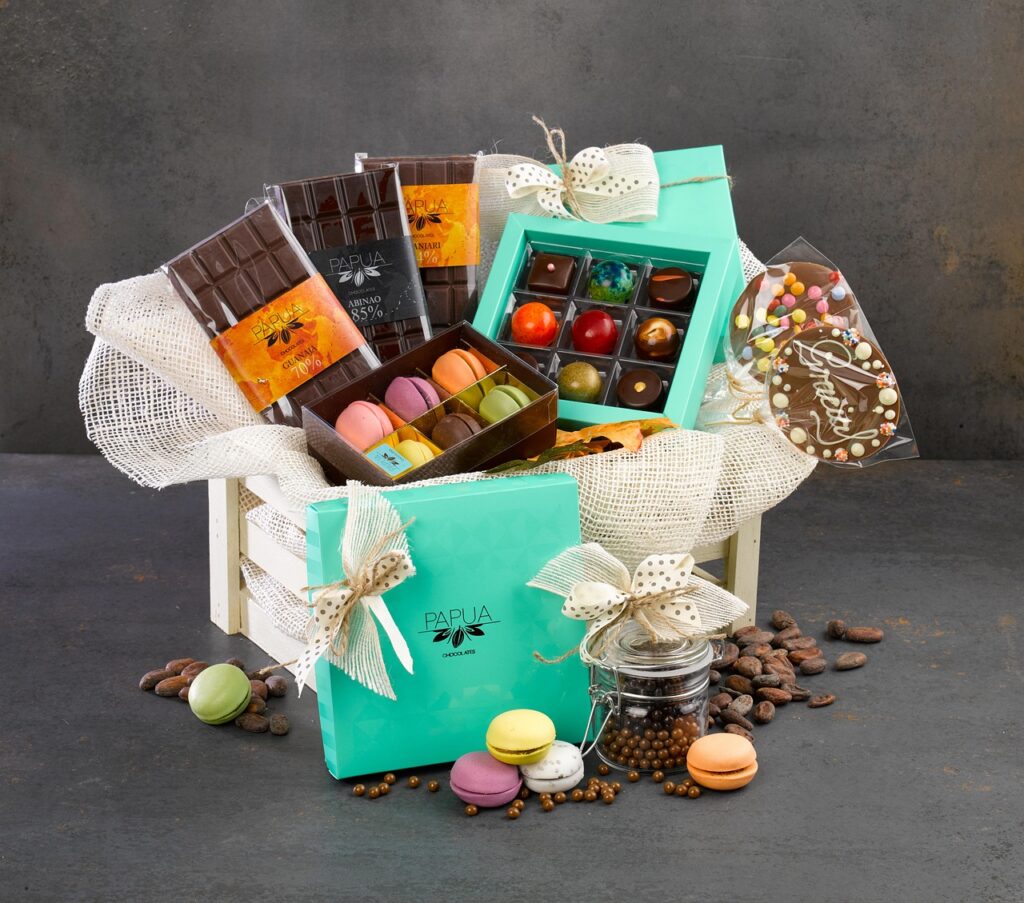
Belgian chocolate is a symbol of excellence and craftsmanship in the world of confectionery. This delicacy is renowned for its rich flavors, smooth textures, and unparalleled quality. But beyond its taste, Belgian chocolate carries with it a rich history that has transformed it into a cultural icon. This article delves into the fascinating journey of Belgian chocolate, exploring how it came to be and the factors that have contributed to its esteemed status.
The Origins of Chocolate
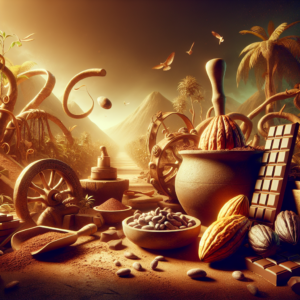
The story of chocolate begins long before Belgium came into the picture. The cacao tree, native to the tropical regions of Central and South America, was first cultivated by the ancient Mesoamerican civilizations. The Olmecs, Mayans, and later the Aztecs, revered cacao for its divine properties and used it in various ceremonial rituals. Chocolate was consumed as a bitter drink, often mixed with spices and other ingredients.
With the arrival of Europeans in the Americas, cacao beans caught the attention of explorers, and by the 16th century, chocolate had made its way to Europe. Initially, it was a luxury drink consumed by the elite. The addition of sugar and milk transformed it into a more palatable beverage, laying the groundwork for the chocolate we know today.
Belgium’s Chocolate Revolution
Belgium’s relationship with chocolate began in the 17th century when the country was under Spanish rule. The Spanish had brought chocolate to Europe, and it quickly gained popularity among the Belgian aristocracy. However, it wasn’t until the 19th century that Belgium began to establish its chocolate legacy.
In 1857, Jean Neuhaus, a Swiss immigrant, opened a pharmacy in Brussels. To make his medicines more palatable, he coated them in a layer of chocolate, inadvertently creating the first Belgian pralines. This innovation marked a turning point in Belgian chocolate history, as it introduced the concept of filled chocolates to the world.
The praline’s popularity soared, and in 1912, Jean Neuhaus Jr. took the idea further by developing a method to fill chocolates with a variety of flavored creams, nuts, and other ingredients. This led to the creation of the ballotin, a decorative box designed to protect the delicate pralines. The ballotin became a staple of Belgian chocolate culture and is still used today.
The Rise of Belgian Chocolate Brands
The success of Neuhaus inspired a wave of chocolate entrepreneurs in Belgium. Companies like Godiva, Leonidas, and Côte d’Or emerged, each bringing their own unique flair to chocolate-making. These brands capitalized on Belgium’s access to high-quality ingredients, such as African cacao beans imported through the country’s colonial ties.
Godiva, founded in 1926 by Joseph Draps, became synonymous with luxury chocolates. Its emphasis on exquisite packaging and premium quality helped it gain international recognition. Meanwhile, Leonidas, established in 1913, focused on making high-quality chocolates accessible to a broader audience. Their affordable prices and wide variety of flavors contributed to their widespread popularity.
Côte d’Or, known for its distinctive elephant logo, was founded in 1883 and quickly gained a reputation for producing robust, flavorful chocolates. Its emphasis on using high-quality cocoa beans has made it a favorite among chocolate enthusiasts.
The Art of Belgian Chocolate-Making
What sets Belgian chocolate apart is not just its history but also the meticulous craftsmanship that goes into its production. Belgian chocolatiers adhere to traditional methods, ensuring each piece is crafted with precision and care. The process begins with the careful selection of cocoa beans, which are roasted to perfection to bring out their full flavor.
The chocolate is then conched, a process that involves grinding and aerating the chocolate to create a smooth, velvety texture. This step, crucial to Belgian chocolate-making, ensures that the final product is free of any graininess or bitterness. The tempered chocolate is then poured into molds, filled with various ingredients, or crafted into intricate shapes.
Belgian chocolatiers are also known for their innovative flavor combinations. From classic pralines filled with ganache to exotic infusions of spices, fruits, and liqueurs, the possibilities are endless. This creativity, combined with a commitment to quality, has earned Belgian chocolate its esteemed reputation.
Belgian Chocolate in Modern Times
Today, Belgian chocolate continues to be a symbol of excellence and indulgence. The country remains a leading exporter of chocolate, with its products enjoyed by millions around the world. Belgian chocolate shops, both traditional and modern, attract tourists and locals alike, eager to savor the country’s most famous treat.
The Belgian government has taken steps to protect its chocolate heritage. In 2007, Belgium established strict criteria for what can be labeled as “Belgian chocolate,” ensuring that products meet high standards of quality and authenticity. This move has helped preserve the integrity of Belgian chocolate and maintain its global reputation.
Additionally, Belgian chocolatiers are increasingly focusing on sustainability. Many are sourcing cocoa beans from fair trade-certified farms, ensuring that their products are not only delicious but also ethically produced. This commitment to social responsibility is shaping the future of Belgian chocolate, aligning it with modern consumer values.
Conclusion
The journey of Belgian chocolate from its humble beginnings to a global phenomenon is a testament to the power of innovation, craftsmanship, and tradition. With its roots deeply intertwined with history and culture, Belgian chocolate is more than just a sweet treat; it’s an experience that reflects the dedication and artistry of those who make it.
As we unwrap a piece of Belgian chocolate, we are not just indulging in its rich flavors but also savoring a piece of history. Whether enjoyed as a simple pleasure or a luxurious indulgence, Belgian chocolate continues to captivate and delight, ensuring its place as a timeless symbol of quality and excellence in the world of confectionery.
#ChatGPT assisted in the creation of this article.