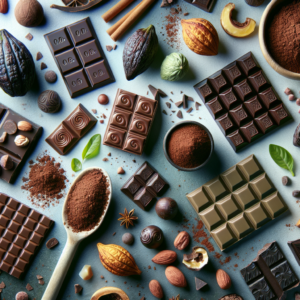
Chocolate, a universally adored delicacy, transcends cultures and generations. Whether you’re a seasoned connoisseur or a casual consumer, selecting high-quality chocolate can be an art form. The market is flooded with options, making the task of choosing the right chocolate both exciting and overwhelming. This guide aims to equip you with the knowledge to discern high-quality chocolate from the ordinary, enriching your chocolate experience.
Understanding the Basics of Chocolate
To appreciate high-quality chocolate, it’s essential to understand what chocolate is and how it’s made. Chocolate is derived from cacao beans, which are fermented, dried, roasted, and ground to produce cocoa mass. This mass is then processed into cocoa solids and cocoa butter, the primary components of chocolate.
Types of Chocolate
There are several types of chocolate, each with distinct characteristics:
- Dark Chocolate: Known for its rich, intense flavor, dark chocolate contains a high percentage of cocoa solids and little to no milk solids.
- Milk Chocolate: This type includes milk solids along with cocoa solids, offering a sweeter and creamier taste compared to dark chocolate.
- White Chocolate: Made from cocoa butter, sugar, and milk solids, white chocolate lacks cocoa solids, resulting in a creamy texture and sweet flavor.
- Ruby Chocolate: A relatively new addition, ruby chocolate is made from specially processed ruby cocoa beans, offering a unique berry-like flavor and pink hue.
Criteria for Selecting High-Quality Chocolate
Choosing high-quality chocolate involves evaluating several factors. Here are key criteria to consider:
Cocoa Content
Cocoa content is a primary indicator of chocolate quality. Generally, the higher the cocoa content, the richer and more intense the flavor. For dark chocolate, look for a cocoa content of at least 70%. Milk chocolate typically has a lower cocoa content, but higher percentages (around 40-50%) can offer a more pronounced cocoa flavor.
Ingredients
High-quality chocolate should have a short list of ingredients. Look for chocolate with cocoa mass, cocoa butter, and sugar as the primary components. Avoid products with artificial additives, excessive sugar, or vegetable oils as substitutes for cocoa butter. In milk chocolate, milk solids should be present, while white chocolate should primarily contain cocoa butter, sugar, and milk solids.
Texture and Appearance
Examine the chocolate’s texture and appearance. High-quality chocolate should have a smooth, glossy finish, free of blemishes or discoloration. When broken, it should snap cleanly, indicating proper tempering. The texture should be creamy and melt evenly in the mouth.
Aroma
The aroma of chocolate can reveal much about its quality. High-quality chocolate will have a complex, rich aroma with notes of cocoa and other nuanced scents, such as fruity, nutty, or floral undertones. An overpowering smell of sugar or artificial ingredients is a red flag.
Exploring Ethical and Sustainable Chocolate
In addition to flavor and texture, consider the ethical and environmental impact of your chocolate choices. Many high-quality chocolate brands prioritize sustainability and fair trade practices, ensuring that cacao farmers receive fair compensation and that the cacao is sourced responsibly.
Fair Trade and Direct Trade
Fair Trade certification ensures that chocolate producers receive a fair price for their products, promoting better living conditions and sustainable farming practices. Direct Trade, while similar, involves closer relationships between producers and buyers, often resulting in higher quality and unique flavor profiles.
Organic and Single-Origin Chocolate
Organic chocolate is produced without synthetic fertilizers or pesticides, offering a purer chocolate experience. Single-origin chocolate is made from cacao beans sourced from a single region, highlighting the distinct flavors of that area and supporting small-scale farmers.
Tasting and Appreciating High-Quality Chocolate
Once you’ve selected a high-quality chocolate, the next step is to savor and appreciate its flavors fully. Tasting chocolate is an art that involves more than just eating; it engages all the senses.
The Tasting Process
Begin by observing the chocolate’s appearance and texture. Break a piece to hear the snap, then inhale its aroma. As you taste, let the chocolate melt slowly on your tongue, allowing the flavors to develop. Note the initial taste, the texture as it melts, and any lingering aftertastes.
Flavor Profiles
High-quality chocolate offers a complex flavor profile. Dark chocolate may have notes of fruit, nuts, or coffee, while milk chocolate can present caramel and creamy undertones. White chocolate, while less complex, should have a balanced sweetness and a rich, buttery flavor.
Conclusion
Choosing high-quality chocolate is a rewarding endeavor that enhances your appreciation of this beloved treat. By understanding the basics of chocolate, evaluating key quality indicators, and considering ethical and sustainable practices, you can make informed choices that satisfy your palate and conscience. Embrace the journey of chocolate exploration and enjoy the rich, diverse world of flavors it offers.
Final Thoughts
The pursuit of high-quality chocolate is not just about indulgence but also about respecting the artistry and craftsmanship involved in its creation. As you refine your chocolate selection skills, you’ll discover a deeper connection to this age-old delight, making each bite a moment to savor and celebrate.
#ChatGPT assisted in the creation of this article.