
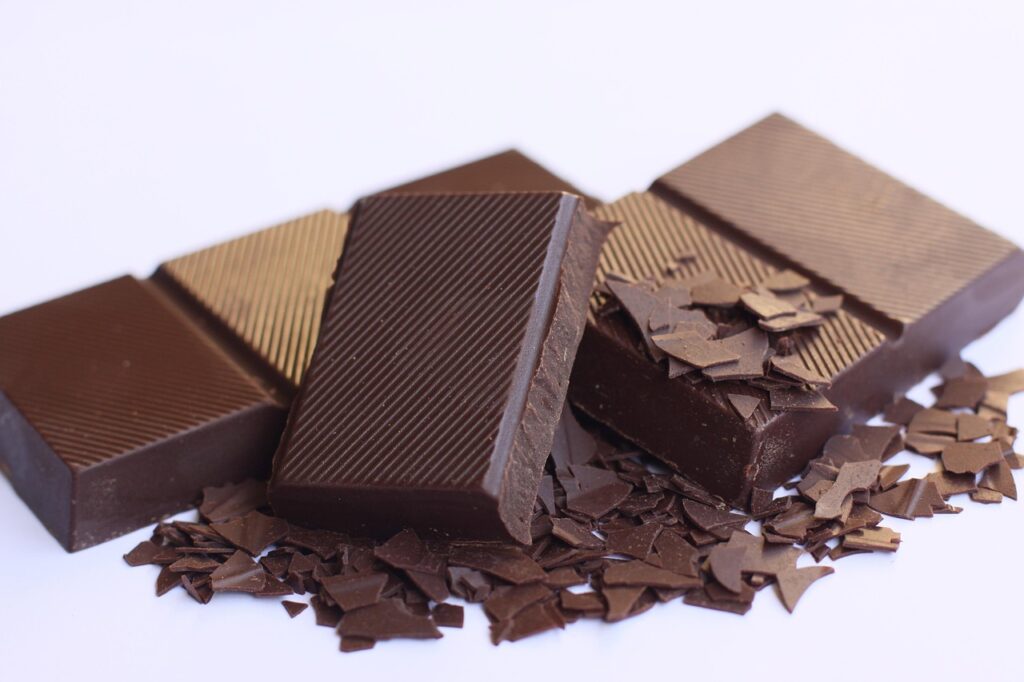
Chocolate has long been a source of fascination, delight, and indulgence. Its journey from the New World to the heart of Europe is a story rich with cultural exchanges, innovation, and evolution. Today, Europe is synonymous with some of the finest chocolates in the world, boasting a rich tapestry of chocolate history that continues to enchant chocoholics globally. This article delves into the intriguing voyage of chocolate across Europe, exploring how it became an integral part of European culture and identity.
The New World Discovery
The history of chocolate in Europe begins with the exploration of the Americas. The cacao tree, native to the tropical regions of Central and South America, was cultivated by ancient civilizations such as the Maya and Aztecs. These societies revered cacao, using it in ceremonial drinks and as a form of currency. The bitter beverage, xocolatl, was a far cry from the sweet treat we know today.
When Spanish explorers, led by Hernán Cortés, arrived in the Aztec capital in the early 16th century, they encountered this unique drink. Cortés recognized its potential and introduced cacao beans to Spain upon his return in 1528. This marked the beginning of chocolate’s European journey, initially as a luxury item for the Spanish aristocracy.
Chocolate’s Spread Across Europe
For nearly a century, Spain held a monopoly on cacao imports and chocolate production. The Spanish added sugar and spices like cinnamon and vanilla to the bitter drink, making it more palatable to European tastes. This sweetened version of chocolate soon gained popularity among the elite.
As trade routes expanded and cacao beans became more accessible, chocolate began to spread across Europe. By the 17th century, chocolate houses, akin to modern coffee shops, started to appear in major cities like London and Paris. These establishments became popular social hubs for the wealthy, where people gathered to enjoy the exotic drink.
Technological Innovations and Chocolate Production
The Industrial Revolution of the 18th and 19th centuries played a pivotal role in transforming chocolate from a luxury item to a widely accessible commodity. Innovations in machinery and production techniques allowed for mass production, making chocolate more affordable for the general public.
In 1828, Dutch chemist Coenraad van Houten revolutionized chocolate production by inventing the cocoa press. This device extracted cocoa butter from roasted cacao beans, leaving behind a fine cocoa powder. This process not only improved the texture of chocolate but also paved the way for the creation of solid chocolate bars.
Another significant milestone came in 1875 when Swiss chocolatier Daniel Peter, with the assistance of Henri Nestlé, developed milk chocolate by adding condensed milk to chocolate. This innovation further enhanced the appeal of chocolate, making it creamier and more palatable.
European Chocolate Giants
Europe’s chocolate industry owes much of its success to the entrepreneurial spirit and craftsmanship of several key figures and companies. Countries like Belgium, Switzerland, and France have become synonymous with high-quality chocolate, each with its unique traditions and specialties.
Belgium: The Home of Pralines
Belgium’s reputation as a chocolate powerhouse is largely attributed to the invention of pralines by Jean Neuhaus in 1912. These filled chocolates, often encased in a thin chocolate shell, became an instant sensation. The country’s commitment to quality and craftsmanship is evident in its stringent regulations for chocolate production, ensuring a high cocoa content and minimal additives.
Switzerland: Masters of Milk Chocolate
Switzerland’s contribution to chocolate history is profound, with milk chocolate being one of its most notable achievements. Swiss chocolatiers are renowned for their precision and quality, producing some of the finest chocolates in the world. Brands like Lindt and Toblerone have become global icons, representing Swiss excellence in chocolate making.
France: Artistry in Chocolate
In France, chocolate is not just a treat but an art form. French chocolatiers are celebrated for their creativity and innovation, often pushing the boundaries of flavor and presentation. The French emphasis on artisanal techniques and high-quality ingredients has cemented their status in the chocolate world, with Parisian chocolate shops offering an unparalleled experience for chocolate lovers.
Chocolate’s Cultural Impact
Beyond its economic significance, chocolate has deeply influenced European culture and society. It has become a symbol of luxury, romance, and celebration. From Valentine’s Day boxes of chocolates to Easter eggs, chocolate plays a central role in many European traditions and festivities.
Chocolate also holds a special place in literature, art, and film. Its seductive nature and rich history have inspired countless works, capturing the imagination of both creators and audiences. The allure of chocolate continues to permeate European culture, reflecting its enduring appeal and versatility.
Conclusion: A Sweet Legacy
Europe’s rich chocolate history is a testament to human ingenuity, cultural exchange, and the timeless appeal of this beloved confection. From its origins in the New World to its evolution into a global phenomenon, chocolate has woven itself into the fabric of European life. Today, Europe’s chocolate industry continues to thrive, upholding traditions while embracing innovation.
As we savor a piece of chocolate, we are not just indulging in a sweet treat; we are partaking in a legacy that spans centuries. The story of chocolate in Europe is a reminder of the power of discovery, the beauty of craftsmanship, and the joy of simple pleasures. Whether enjoyed as a comforting drink or a decadent dessert, chocolate remains a timeless delight that continues to captivate the world.
#ChatGPT assisted in the creation of this article.