
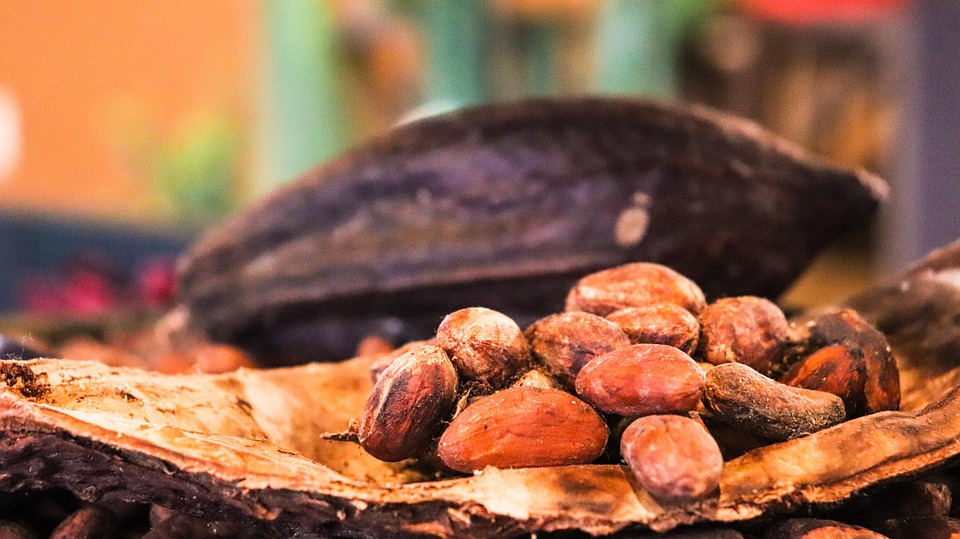
Chocolate, as we know it today, is a beloved treat enjoyed by millions worldwide. However, its roots stretch back thousands of years, deeply entwined with the cultural and historical fabric of ancient civilizations. To truly appreciate the chocolate of today, it is essential to explore its rich history, beginning with the ancient cocoa beans that were once more valuable than gold to certain cultures.
The Origins of Cocoa: A Mesoamerican Legacy
The story of chocolate begins in the tropical rainforests of Central and South America. The cacao tree, from which chocolate is derived, is native to this region. The first known civilization to cultivate and consume cacao was the Olmec, residing in what is now southern Mexico. Dating back to around 1500 BCE, the Olmecs are considered the “mother culture” of Mesoamerica, and their use of cacao was a precursor to the practices of later civilizations.
Olmec Pioneers
The Olmecs were among the first to discover the potential of the cacao bean. Although specific details about their consumption methods remain elusive, archaeological evidence suggests that they ground cacao beans to create a beverage. This practice set the stage for future Mesoamerican cultures to further refine and elevate the use of cacao.
Mayan Innovations
The Maya, who thrived from around 250 to 900 CE, took cacao consumption to new heights. Cacao held immense significance in Mayan society, serving religious, economic, and social purposes. The Mayans prepared a frothy, bitter drink made from ground cacao beans, water, chili peppers, and other spices. This beverage, often consumed during religious ceremonies and rituals, was believed to have divine properties and was associated with fertility and prosperity.
Aztec Appreciation
Following the Maya, the Aztecs also held cacao in high regard. Known for their complex society and rich mythology, the Aztecs believed cacao was a gift from the gods. The Aztec god Quetzalcoatl, who was said to have bestowed cacao upon humans, was central to this belief. The Aztecs used cacao beans as a form of currency, further demonstrating its value and importance in their society. Their version of the cacao beverage, known as “xocoatl,” was consumed by the elite and warriors, believed to provide strength and vitality.
The European Encounter
The ancient history of cacao took a significant turn with the arrival of Europeans in the New World. Christopher Columbus was among the first Europeans to encounter cacao during his fourth voyage in 1502. However, it was Hernán Cortés, the Spanish conquistador, who truly recognized its potential. When Cortés arrived in the Aztec capital of Tenochtitlán in 1519, he observed the high regard in which cacao was held and introduced it to Europe.
Chocolate’s Evolution in Europe
Upon its introduction to Europe, the bitter cacao beverage underwent transformation. Europeans began to modify the drink by adding sugar, vanilla, and milk, catering to their palates. By the 17th century, chocolate houses had emerged in major cities like London and Paris, becoming social hubs where the elite gathered to enjoy the exotic beverage.
Impact on Global Trade
The European demand for chocolate spurred the establishment of cacao plantations in colonies across the Caribbean and Central America. This demand also fueled the transatlantic slave trade, as African slaves were brought to work on these plantations. The dark side of chocolate’s history is a reminder of the complexities of global trade and the human cost associated with luxury goods.
The Industrial Revolution and Modern Chocolate
The 19th century marked a turning point in chocolate production with the advent of the Industrial Revolution. Technological advancements revolutionized chocolate making, transforming it from a luxury for the elite to an accessible treat for the masses.
Innovations in Chocolate Production
Key figures like Joseph Fry and John Cadbury played crucial roles in developing new methods for processing chocolate. In 1847, Fry’s chocolate company created the first chocolate bar, paving the way for the widespread consumption of solid chocolate. The invention of the cocoa press by Dutch chemist Coenraad van Houten in 1828 further revolutionized the industry by allowing for the separation of cocoa butter and cocoa solids, leading to the creation of a smoother, more palatable product.
Milk Chocolate and Beyond
In 1875, Swiss chocolatier Daniel Peter, in collaboration with Henri Nestlé, created the first milk chocolate by combining cocoa, sugar, and condensed milk. This innovation broadened chocolate’s appeal and spurred the development of countless variations, from dark and white chocolate to filled and flavored confections.
Conclusion: The Legacy of Ancient Cocoa
The journey of chocolate from its ancient origins to its modern incarnations is a testament to its enduring appeal and cultural significance. From the sacred rituals of the Maya and Aztec to the bustling chocolate houses of Europe, chocolate has traversed continents and centuries, evolving with each new chapter in its story.
As we indulge in a piece of chocolate today, it is worth remembering the rich tapestry of history that has brought this beloved treat to our lives. The legacy of ancient cocoa continues to shape our appreciation for chocolate, reminding us of its roots in the vibrant cultures of Mesoamerica and its journey across the globe.
In celebrating chocolate’s history, we honor the diverse traditions and innovations that have made it a cherished part of human culture. Whether enjoyed in a traditional form or a modern twist, chocolate remains a symbol of pleasure, indulgence, and the shared heritage of civilizations past and present.
#ChatGPT assisted in the creation of this article.