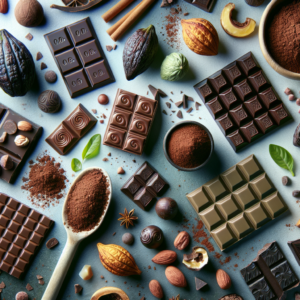
The world of chocolate is vast and rich, with a history as deep as its flavors. Among the myriad ways chocolate is crafted and consumed, the “bean to bar” movement stands out as a testament to artisanal craftsmanship and dedication to quality. This journey from cocoa bean to chocolate bar is not just about production; it is a story of passion, precision, and an unwavering commitment to exceptional taste.
The Origins of Bean to Bar
The bean to bar movement has roots grounded in the desire for quality and transparency. As consumers became more aware of the complexities of food production, the demand for ethically sourced and meticulously crafted chocolate grew. Bean to bar chocolate artisans pride themselves on being involved in every step of the production process, ensuring quality and sustainability from the cocoa farms to the final packaged product.
Understanding Cocoa Beans
At the heart of the bean to bar process are the cocoa beans themselves. These beans are the seeds of the Theobroma cacao tree, which thrives in tropical climates. There are three main varieties of cocoa beans: Criollo, Forastero, and Trinitario. Each has distinct characteristics in terms of flavor and aroma, contributing to the uniqueness of the chocolate produced.
Criollo
Known for its complex flavor and aroma, Criollo beans are often considered the pinnacle of cocoa quality. They are more delicate and yield lower harvests, making them rarer and more expensive.
Forastero
This variety is more robust and higher yielding, making it the most commonly grown cocoa bean. While it may lack the nuanced flavors of Criollo, skilled chocolatiers can still produce excellent chocolate from Forastero beans.
Trinitario
A hybrid of Criollo and Forastero, Trinitario beans offer a balance of flavor and hardiness, providing chocolatiers with both quality and reliability.
The Bean to Bar Process
The journey from bean to bar involves several meticulous steps, each critical in developing the final flavor profile of the chocolate.
1. Sourcing and Harvesting
The journey begins with sourcing high-quality cocoa beans. Artisans often work directly with farmers to ensure ethical practices and fair trade agreements. Harvesting is a skilled task, as ripe pods are carefully cut from cacao trees and opened to extract the beans.
2. Fermentation
Fermentation is crucial in developing the beans’ flavor. It typically lasts several days, during which the beans are placed in wooden boxes or banana leaves. This process reduces bitterness and begins to develop the complex flavors that will make the chocolate unique.
3. Drying
After fermentation, beans are spread out under the sun to dry. This process reduces moisture content and prepares the beans for storage and shipping.
4. Roasting
Roasting is where the magic begins to unfold. The beans are roasted at specific temperatures to bring out their full flavor potential. Different roasting profiles can highlight certain flavor notes, allowing chocolatiers to tailor their chocolate to their desired taste.
5. Cracking and Winnowing
Once roasted, the beans are cracked to remove the outer shell, leaving behind the cocoa nibs. Winnowing separates the nibs from the shell, ensuring that only the purest cocoa makes it to the next stage.
6. Grinding and Conching
The nibs are then ground into a paste called chocolate liquor. This process generates heat, melting the cocoa butter within the nibs. Conching further refines the texture and flavor of the chocolate by mixing, aerating, and kneading the chocolate liquor for hours or even days.
7. Tempering
Tempering involves carefully controlling the chocolate’s temperature to stabilize the cocoa butter crystals. This process gives chocolate its glossy finish and satisfying snap when broken.
8. Molding and Packaging
Finally, the tempered chocolate is poured into molds and cooled to set. Once solidified, the bars are packaged, ready to be shared and savored by chocolate lovers around the world.
The Art and Science of Flavor
A hallmark of bean to bar chocolate is its distinctive flavor profile, which varies depending on the origin of the beans and the specifics of the production process. The terroir, or the environmental conditions where the beans are grown, plays a significant role in flavor development. Just as with wine, the soil, climate, and even nearby flora can impart unique characteristics to the cocoa beans.
Ethical and Sustainable Practices
Bean to bar chocolatiers are often deeply committed to ethical practices and sustainability. Many work directly with farmers, ensuring fair compensation and fostering community development. Sustainable farming practices are encouraged to protect the environment and maintain the quality of the cocoa beans. This commitment to ethical sourcing is a cornerstone of the bean to bar philosophy, marrying quality with responsibility.
Challenges in Bean to Bar Production
Despite the rewards, producing bean to bar chocolate is not without its challenges. The process is time-consuming and requires significant expertise and investment. Small-scale producers must navigate issues like equipment costs, quality control, and market competition. However, the dedication to craftsmanship and the pursuit of quality drive these artisans to overcome these obstacles, resulting in chocolate that is as rewarding to produce as it is to consume.
The Future of Bean to Bar
The bean to bar movement continues to grow, with more consumers seeking out high-quality, ethically produced chocolate. As awareness of food origins and production methods increases, the demand for bean to bar chocolate is likely to rise. Innovations in production techniques and a growing emphasis on sustainability will further shape the future of this artisanal craft.
Conclusion
Mastering the bean to bar process is more than just a production method; it is a journey that celebrates the art of chocolate making. From the careful selection of cocoa beans to the nuanced flavors that emerge in the final product, bean to bar chocolate invites us to appreciate the complexity and richness of one of the world’s most beloved treats. Whether you’re a chocolatier or a chocolate lover, understanding this journey enhances the experience of savoring every bite.
The bean to bar movement is a celebration of quality, ethics, and craftsmanship. As you explore the world of chocolate, remember that each bar is not just a confection; it is the culmination of a passionate journey from the bean to your palate.
#ChatGPT assisted in the creation of this article.