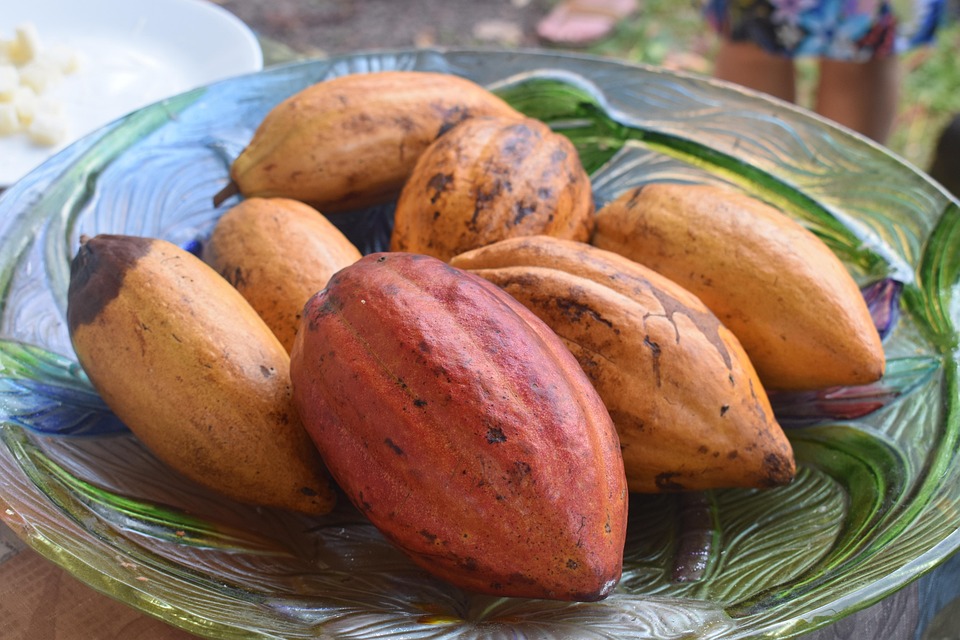
The story of chocolate begins long before it became the sweet treat we know today. Its origins trace back to ancient Mesoamerican civilizations, with the Aztecs being one of the most prominent cultures to embrace and elevate chocolate to a revered status. Understanding the rich Aztec chocolate legacy offers a fascinating glimpse into the cultural, spiritual, and economic aspects of this ancient society. This article delves into the historical significance of chocolate within the Aztec civilization, its cultural importance, and its enduring legacy in the modern world.
The Origins of Chocolate in Mesoamerica
Before the Aztecs, the Olmecs, one of the earliest civilizations in Mesoamerica, are believed to have been the first to discover the cacao plant around 1500 BCE. The knowledge and cultivation of cacao spread throughout the region, eventually reaching the Maya and later the Aztecs. The Aztecs, who thrived between the 14th and 16th centuries in what is now central Mexico, were instrumental in embedding chocolate deeply into their culture.
Chocolate: The Divine Gift
To the Aztecs, chocolate was not merely a consumable good; it was a divine gift. According to Aztec mythology, the god Quetzalcoatl bestowed the cacao tree upon humanity. As such, chocolate held a sacred status and was associated with religious rituals and ceremonies. The Aztecs believed that consuming chocolate could bring them closer to the gods, bridging the earthly and divine realms.
Chocolate in Aztec Society
A Beverage for the Elite
In Aztec society, chocolate was primarily consumed as a beverage, known as “xocolatl,” meaning “bitter water.” Unlike the sweetened chocolate drinks of today, xocolatl was a frothy, bitter concoction often flavored with spices like chili pepper, vanilla, and annatto. This luxurious beverage was reserved for the elite, such as the nobility, warriors, and priests, reflecting its status and value.
Cacao as Currency
Beyond its role as a beverage, cacao beans were a form of currency in the Aztec economy. The beans were so valuable that they were used to trade for goods and services. For instance, a single cacao bean could buy a tamale, while a hundred beans could purchase a turkey hen. This use of cacao as currency underscores its importance and value in Aztec society.
Rituals and Offerings
Chocolate played a significant role in Aztec rituals and offerings. During religious ceremonies, chocolate was often used as a sacrifice to appease the gods. It was believed that offering chocolate could ensure favorable harvests and blessings. The Aztecs also used chocolate in marriage ceremonies, where couples would share a cup of xocolatl to symbolize their union.
Chocolate in Aztec Medicine
The Aztecs also recognized the medicinal properties of chocolate. It was used to treat various ailments, from fatigue and dysentery to fever and heart problems. The high caloric content and stimulating effects of chocolate made it a valuable source of energy, particularly for warriors. The Aztecs believed that chocolate had the power to invigorate and heal, further solidifying its revered status.
The Spanish Encounter
The arrival of the Spanish in the early 16th century marked a pivotal moment in the history of chocolate. Hernán Cortés and his conquistadors were introduced to chocolate during their encounters with the Aztecs. Initially, the Europeans were unimpressed by the bitter taste of xocolatl. However, they quickly recognized the economic potential of cacao and began to export it to Europe.
The Transformation of Chocolate
Once in Europe, chocolate underwent a significant transformation. To suit European palates, sugar and milk were added to the bitter concoction, creating a sweeter, more palatable beverage. This adaptation marked the beginning of chocolate’s evolution into the sweet treat we know today. As chocolate gained popularity across Europe, its cultural associations shifted, but its legacy as a luxury item endured.
The Enduring Legacy of Aztec Chocolate
The Aztec chocolate legacy lives on in various aspects of modern culture. Today, chocolate is a ubiquitous treat enjoyed worldwide, but its historical roots are often overlooked. By exploring the Aztec chocolate legacy, we gain a deeper appreciation for its cultural significance and the profound impact it had on shaping the history of chocolate.
Conclusion
The rich legacy of Aztec chocolate is a testament to the cultural and economic importance of cacao in ancient Mesoamerican societies. From a divine gift to a symbol of prestige and power, chocolate played a multifaceted role in Aztec life. Although the Spanish conquest altered the course of chocolate’s history, the Aztec contributions to its legacy remain undeniable. By understanding the historical and cultural significance of chocolate in Aztec civilization, we can better appreciate this beloved treat’s complex and fascinating journey through time.
#ChatGPT assisted in the creation of this article.