Chocolate tasting is a sensory experience that goes beyond simply eating a piece of chocolate. It’s an art form that combines the appreciation of flavors, textures, and aromas, much like wine or coffee tasting. By mastering the art of chocolate tasting, you can elevate your appreciation for this beloved confectionery to new heights. This article will guide you through the steps and techniques needed to become a proficient chocolate taster, enriching your chocolate-eating experiences.
The Origins of Chocolate
Understanding the origins of chocolate is essential for appreciating its complexity during tasting. Chocolate is derived from the cacao bean, which grows on the Theobroma cacao tree. Native to Central and South America, cacao has been cultivated for thousands of years. The Mayans and Aztecs revered cacao, using it in ceremonial drinks and even as currency. Today, chocolate is produced worldwide, with each region contributing unique characteristics to the flavor profile of the final product.
The Anatomy of a Chocolate Bar
Before diving into tasting, it’s crucial to understand the components of a chocolate bar. The primary ingredients include cacao mass, cacao butter, sugar, and sometimes milk. Dark chocolate has a higher percentage of cacao, while milk chocolate contains more milk and sugar. White chocolate, which lacks cacao mass, is made with cacao butter, sugar, and milk. Each of these ingredients influences the taste and texture of the chocolate.
Setting the Stage for Chocolate Tasting
To fully appreciate chocolate, it’s important to create an ideal tasting environment:
Choosing the Right Environment
Select a quiet, well-lit area free from strong odors that might interfere with your sensory perception. Ensure the room temperature is moderate, as extreme temperatures can alter the chocolate’s texture and flavor.
Assembling Your Tools
You’ll need a few basic tools for chocolate tasting: a glass of room-temperature water to cleanse your palate between tastings, a notebook to jot down your observations, and a knife for breaking the chocolate into smaller pieces.
Selecting Chocolate Varieties
Choose a variety of chocolates with different cacao percentages, origins, and ingredients. This diversity will help you compare and contrast flavors, textures, and aromas.
The Chocolate Tasting Process
The art of chocolate tasting involves engaging all your senses. Follow these steps to savor each piece fully:
Step 1: Observe
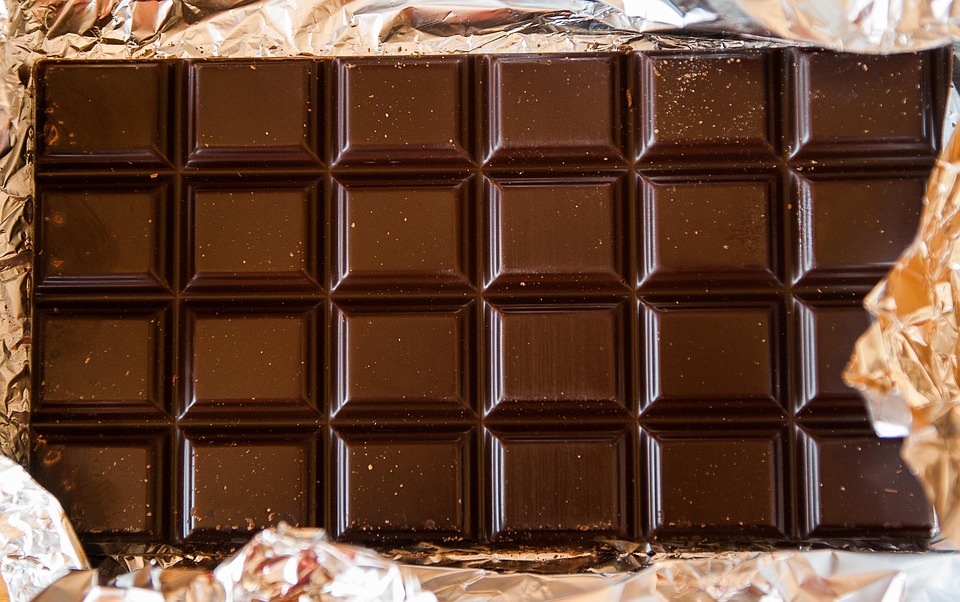
Begin by examining the chocolate’s appearance. Note its color, surface sheen, and any visible markings. High-quality chocolate often has a glossy finish, indicating proper tempering. The color can range from deep, rich brown to lighter hues, depending on the cacao content and origin.
Step 2: Touch
Gently hold the chocolate between your fingers. Notice its texture and how it feels against your skin. Good chocolate should begin to melt slightly from the warmth of your fingers, indicating a high cacao butter content.
Step 3: Smell
Bring the chocolate to your nose and inhale deeply. The aroma can reveal much about the chocolate’s flavor profile. Look for notes of vanilla, nuts, fruits, or spices. The smell will often hint at the flavors you’ll experience when tasting.
Step 4: Listen
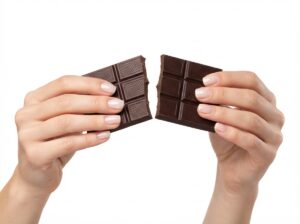
Break a piece of chocolate and listen for a clean, sharp snap. This indicates good tempering and quality. A dull sound may suggest a lower quality or improperly stored chocolate.
Step 5: Taste
Finally, let the chocolate melt on your tongue. Resist the urge to chew immediately. Allow the flavors to develop gradually, paying attention to the different notes that emerge. Consider the chocolate’s texture—smooth, gritty, creamy, or dry—and how it complements the flavor.
Identifying Flavor Profiles
Chocolate flavor profiles can be complex and varied. Here are some common descriptors used by chocolate connoisseurs:
Fruitiness
Many chocolates have fruity notes, ranging from citrus and berries to tropical fruits. These flavors often result from the cacao’s origin and the fermentation process.
Nutty
Nutty flavors can include hints of almonds, hazelnuts, or peanuts. These notes are often more pronounced in chocolates with higher cacao content.
Spicy
Some chocolates feature subtle spicy undertones, such as cinnamon, clove, or even black pepper. These spices can enhance the complexity of the chocolate.
Floral
Delicate floral notes like jasmine or rose may be present in certain chocolates, adding an elegant dimension to the tasting experience.
Earthy
Earthy flavors, reminiscent of mushrooms or tobacco, can emerge in chocolates made from specific cacao varieties or regions.
Pairing Chocolate with Other Foods and Beverages
Pairing chocolate with complementary foods and beverages can enhance your tasting experience. Here are some popular pairings to try:
Wine
Pair dark chocolate with full-bodied red wines like Cabernet Sauvignon or Merlot. For milk chocolate, consider lighter wines such as Pinot Noir or Riesling.
Coffee
Chocolate and coffee share similar flavor profiles. Pair a rich espresso with dark chocolate or a creamy latte with milk chocolate for a delightful experience.
Cheese
The combination of cheese and chocolate may seem unconventional, but certain pairings can be surprisingly harmonious. Try pairing dark chocolate with blue cheese or milk chocolate with a mild brie.
Nuts and Fruits
Complement chocolate with a selection of nuts and dried fruits. Almonds, hazelnuts, and dried cherries or apricots can enhance and accentuate the chocolate’s flavors.
Refining Your Palate
Like any other skill, mastering chocolate tasting takes practice. Here are some tips to refine your palate:
Keep a Tasting Journal
Document your observations and preferences in a tasting journal. Note the chocolates’ origins, cacao percentages, and your impressions of their flavors and textures.
Try New Varieties
Expand your horizons by trying chocolates from different regions and manufacturers. Experimenting with new flavors will help you develop a more discerning palate.
Attend Tasting Events
Join chocolate tasting events or workshops to learn from experts and meet fellow enthusiasts. These events often offer opportunities to taste rare and unique chocolates.
Conclusion
Mastering the art of chocolate tasting is a rewarding journey that transforms a simple treat into a rich sensory experience. By engaging all your senses and refining your palate, you can appreciate the intricate flavors and textures that make each chocolate unique. Whether you’re a casual chocolate lover or an aspiring connoisseur, these techniques will enhance your enjoyment and understanding of this beloved indulgence. Start your chocolate tasting adventure today and discover the world of flavors that await.
#ChatGPT assisted in the creation of this article.